

 English
 日本語
日本語 Español


Industry News

Home / Media Centre / Industry News / Is a Memory Foam Pillow the Ultimate Solution for Your Neck Pain and Better Sleep?
Product Category
NEW Category
Contact us
Is a Memory Foam Pillow the Ultimate Solution for Your Neck Pain and Better Sleep?
Why a Memory Foam Pillow is the "Holy Grail" of Modern Sleep
In today's fast-paced life, the quality of your sleep directly determines your energy levels for the day ahead. You may have experienced waking up with a stiff neck, sore shoulders, or spending the entire night adjusting your pillow to find a comfortable position. This is why the Memory Foam Pillow has become a core component for improving sleep quality.
Memory foam, technically known as Viscoelastic Polyurethane, was originally developed by space agencies to alleviate the high pressure experienced by pilots during take-off and landing. Today, it has been perfectly adapted into bedding. Its core "magic" lies in its temperature-sensing and pressure-relieving properties.
Intelligent Reshaping Support: Standard fillers (like down or cotton) sag under gravity, creating a fixed "pit." In contrast, a Memory Foam Pillow senses your body heat and pressure, slowly reshaping itself to fit every curve of your head and neck. No matter how you move, it achieves a seamless fit.
Deep Pressure Relief: When your head sinks into the memory foam, the pillow distributes pressure evenly rather than concentrating it on a single point. This property significantly reduces the load on your cervical joints.
The Art of Spinal Alignment: Proper spinal alignment is a prerequisite for deep sleep. The resilience of a Memory Foam Pillow ensures that your cervical spine remains in a natural physiological curve, whether you are back or side sleeping. When your spine is in a neutral position, your muscles can truly relax.
To better understand its support, we can compare the performance differences between traditional materials and memory foam:
| Performance Metric | Traditional Fiber/Down Pillow | Memory Foam Pillow |
| Pressure Distribution | Uneven, prone to localized stress | Highly uniform, point-to-point dispersion |
| Rebound Response | Rapid rebound, unstable support | Slow molding, consistent and stable support |
| Shape Stability | Prone to clumping and thinning | Maintains original contour for a long time |
| Neck Adaptability | Requires frequent adjustment | Auto-sensing, dynamic fit |
From a medical perspective, the core value of a Memory Foam Pillow lies in eliminating physical irritation during sleep. When your body no longer tosses and turns due to pain, the frequency of sleep interruptions drops significantly. For those who feel "unrested" or are light sleepers, the stability provided by this material is not just about comfort; it is about physiological recovery.
Furthermore, due to its dense material structure, this pillow does not harbor large amounts of air or fine debris like ordinary pillows. For those who care about their sleep micro-environment, the Memory Foam Pillow is not just a support tool, but a key step in building a healthy sleep ecosystem.
Deep Dive: Mainstream Types of Memory Foam Pillow
The memory foam pillow is no longer a one-size-fits-all shape. To accommodate different sleeping postures and physical needs, various specialized designs have emerged. Understanding these categories is the first step to finding the Memory Foam Pillow that works for you.
Basic Foam Pillow
This is the classic model, usually rectangular, looking no different from a traditional pillow. Its advantage is "seamless transition"—if you are used to a regular pillow but want to upgrade your support, this is an ideal starting point. It offers gentle support suitable for those without specific shape preferences.
Temperature-Control Tech: Cooling Memory Foam Pillow and Gel Pillow
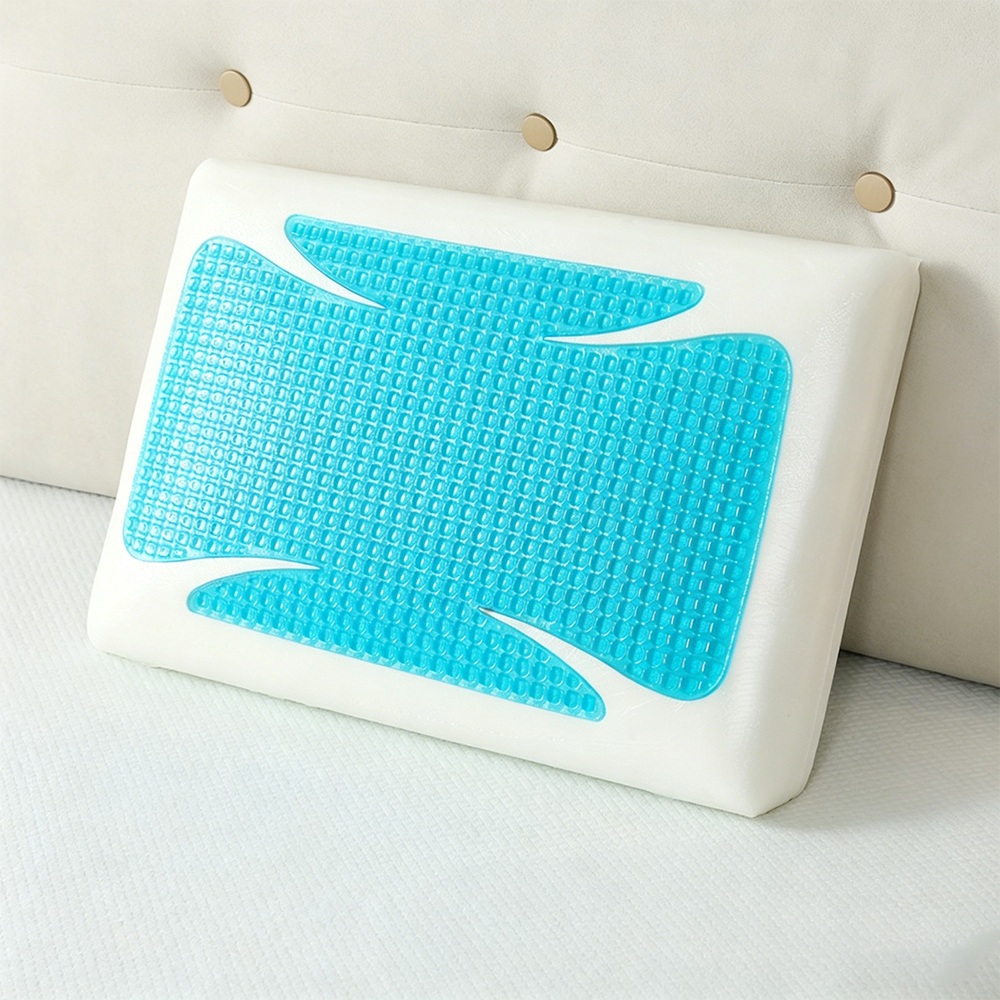
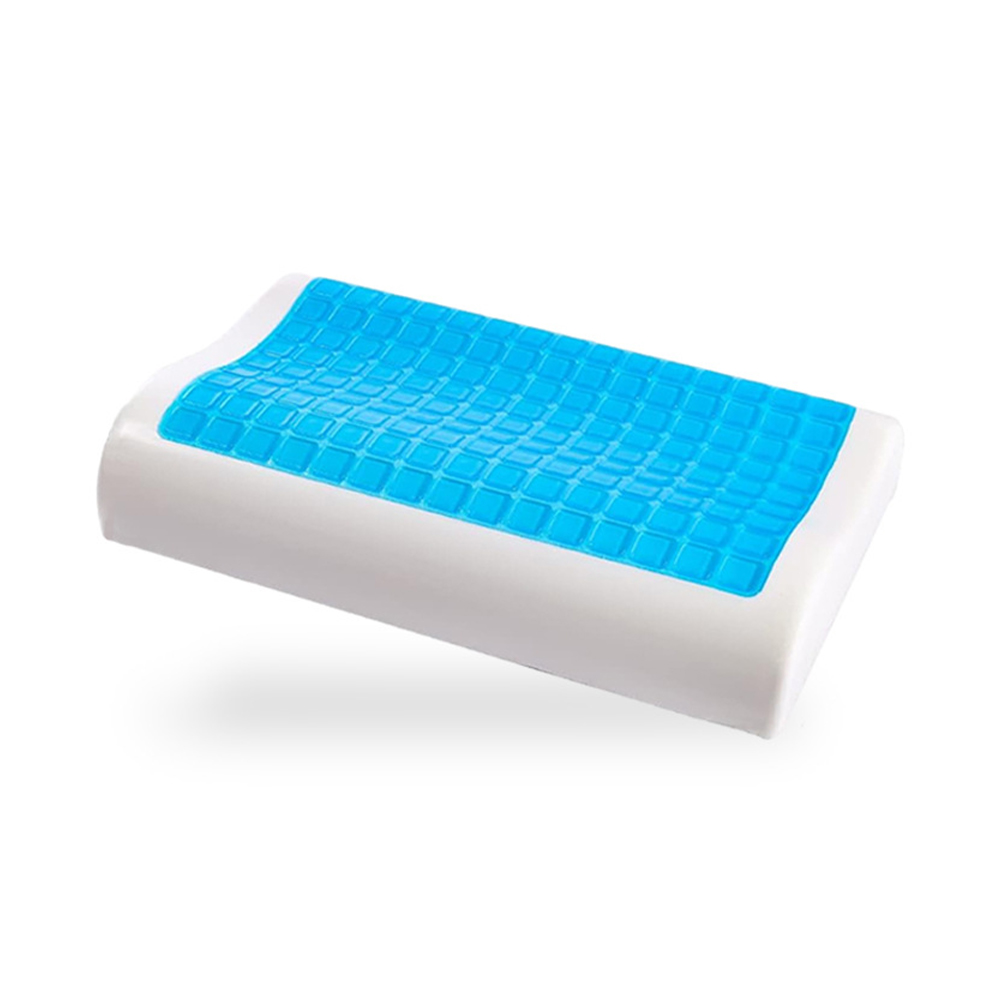
A core drawback of memory foam is its dense structure, which can trap heat and make some people feel stuffy. To solve this, the cooling memory foam pillow was born. It typically embeds a thermal-conductive gel layer inside the core (gel pillow) or adds cooling fibers to the fabric. A gel memory foam pillow uses the physical thermal conductivity of gel to effectively absorb and dissipate excess head heat, combining the support of memory foam with a cool, comfortable experience.
Targeted Support: Cervical Memory Foam Pillow
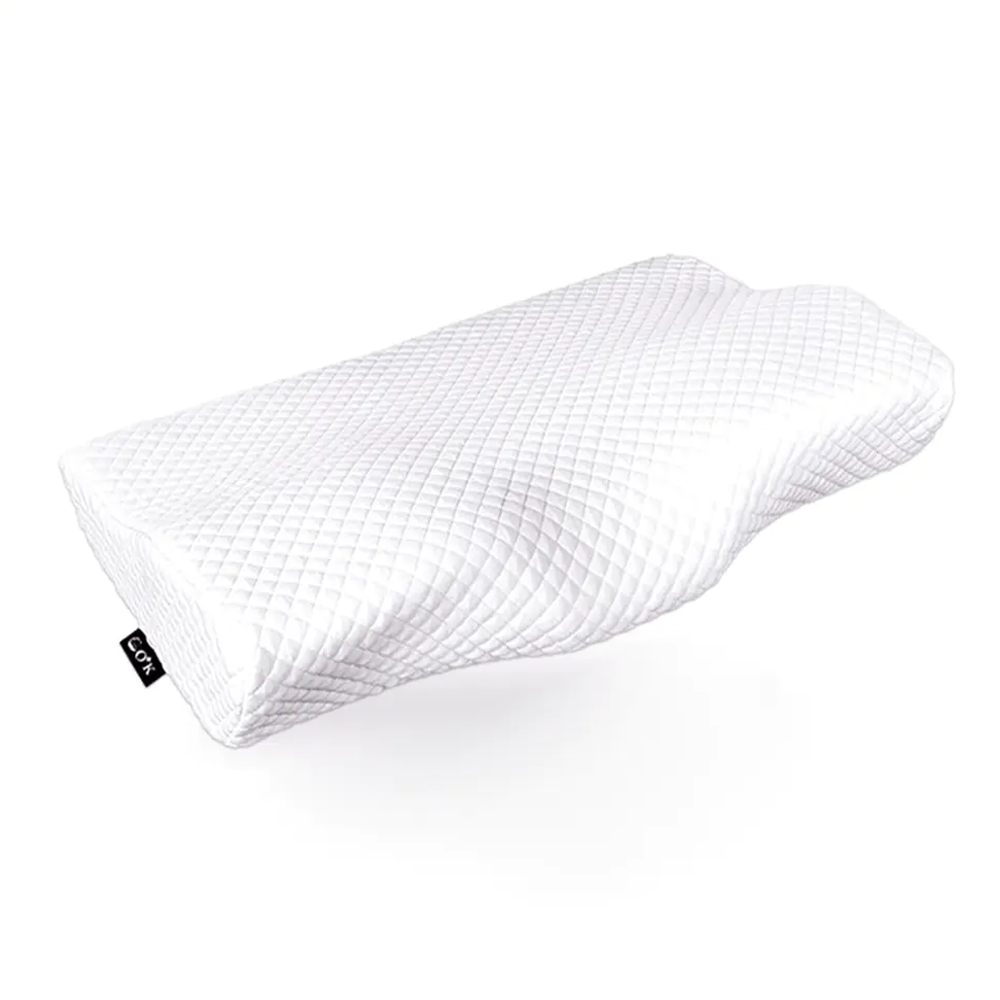
If your sleep is often accompanied by cervical discomfort, a cervical memory foam pillow is a more professional choice. They usually feature a wavy or butterfly shape, lower in the center and higher on the sides, designed to maintain neck curvature and provide additional cervical traction. These are especially suitable for those who work at desks for long periods or suffer from neck muscle soreness.
Personalized Customization: Adjustable Memory Foam Pillow
Often, comfort depends on the height of the pillow. The adjustable memory foam pillow allows you to add or remove filling by cutting the memory foam into small pieces or using removable layers, just like adjusting a down pillow. This design perfectly solves the "too high or too low" dilemma.
Full-Body Wrap: Memory Foam Body Pillow
For side sleepers or those needing extra support during pregnancy, the long, tubular memory foam body pillow provides a space of support that surpasses standard pillows. It supports the neck, shoulders, and legs simultaneously, helping the body maintain pelvic neutrality during side sleeping and reducing back pressure.
Health Care: The Importance of a Hypoallergenic Pillow
The material properties of memory foam make it naturally resistant to dust mites, which is why it is often called a hypoallergenic pillow. Compared to pillows filled with feathers or synthetics, the dense pore structure of memory foam greatly reduces the breeding space for dust mites and allergens, making it a boon for those with allergies.
Portability: Memory Foam Travel Pillow
During long journeys, the neck is often left unsupported and strained. The memory foam travel pillow compacts the material into a molded shape, providing stable, wrap-around support to prevent the cervical spine from tilting during long flights or car rides.
Here is a parameter reference guide for different needs:
| Pillow Type | Core Focus | Target Audience |
| Basic Foam Pillow | Comfort, Versatility | Budget-conscious, basic support seekers |
| Gel Memory Foam Pillow | Cooling, Breathability | People prone to sweating, heat-sensitive |
| Cervical Memory Foam Pillow | Ergonomics, Cervical Correction | Neck discomfort, deep support seekers |
| Adjustable Foam Pillow | Height Flexibility | Finicky about height, multi-position sleepers |
| Memory Foam Body Pillow | Full-body support, Side stability | High side-support needs, extra comfort |
| Hypoallergenic Pillow | Anti-dust mite, Anti-allergy | Allergy-prone, sensitive asthma sufferers |
How to Choose the Most Suitable Memory Foam Pillow
Selecting an ideal Memory Foam Pillow should not be based solely on feeling; it is like finding the right shoe size—you must find the "physical parameters" that fit your body's curves. Here are the key criteria that determine whether you will love your pillow.
Sleeping Posture Determines Height and Firmness
Your sleeping posture determines the distance between your cervical spine and the mattress.
Side Sleeping: Needs a higher pillow to fill the gap between the shoulder and the ear, ensuring the spine remains straight. A high-support cervical memory foam pillow is recommended.
Back Sleeping: Suited for a medium-height pillow. The goal is to elevate the head slightly without pushing the chin forward, which would constrict the airway.
Stomach Sleeping: Requires a very thin and soft pillow to prevent the neck from overextending backward.
The Logic of Density
Many mistakenly believe that memory foam should be as soft as possible, but density is actually the metric for support.
Low Density (Below 3 lbs/cu ft): Faster response, feels more like standard foam, suitable for those who prefer a "squishy" feel.
High Density (4-5 lbs/cu ft and above): Slow response, extremely strong support, provides deeper pressure relief, suitable for heavier individuals or those with significant neck issues.
Parameter Selection Quick Reference
When buying, refer to these parameter configurations to ensure the pillow matches your body architecture:
| Sleeping Posture | Suggested Height | Suggested Density | Core Goal |
| Side | 12 - 15 cm | High (4lb+) | Fill shoulder width, keep spine straight |
| Back | 8 - 10 cm | Medium (3-4lb) | Support natural cervical curvature |
| Stomach | 5 - 7 cm | Low (2-3lb) | Reduce muscle strain |
Environment and Tactile Preferences
If you live in a humid or hot area, a basic foam pillow might feel too stuffy. At this point, prioritize checking the product's "open-cell structure" or "gel injection" parameters. Breathable memory foam has visible micro-pores or wavy grooves on the core surface, which enhance airflow and prevent you from waking up hot in the middle of the night.
Trial and Adjustability
If you are unsure what height fits you best or your sleep habits change, an adjustable memory foam pillow is the safest option. These pillows usually allow you to unzip the cover and add or remove small memory foam pieces to change the height. For memory foam beginners, this is more secure than buying a fixed-height pillow.
Pro-tip: When comparing, don't just look at marketing slogans; check the "rebound time." If a pillow springs back instantly, the material may not be genuine viscoelastic memory foam, or the density is too low to provide lasting support. A high-quality Memory Foam Pillow typically takes 3 to 5 seconds to rebound; this leisurely feedback is the essence of relieving muscle fatigue.
Daily Care and Cleaning Secrets for Memory Foam Pillow
Once you own a preferred Memory Foam Pillow, proper daily maintenance determines how long it will last. Unlike down or cotton, memory foam is a sophisticated polymer structure; improper cleaning will directly destroy its internal cell structure, leading to permanent loss of support.
Why You Must Never Wash the Core
Many people habitually toss their entire pillow into the washing machine, but this is destructive to any memory foam core. The inside of memory foam consists of billions of micro-pores. Washing causes:
Structural Collapse: Water enters the pores and is difficult to remove completely, making the filler heavy and matted, eventually losing its ability to rebound.
Material Degradation: Detergent residue accelerates the aging of the polyurethane material, making the originally flexible core brittle or hard.
Correct Method: Clean only the pillowcase. Most high-quality Memory Foam Pillow products come with a removable, machine-washable outer cover. If there are stains on the core, use a soft cloth dampened with warm water to spot-clean, then let it air dry in a well-ventilated area.
"Off-Gassing" for New Pillows
Newly unboxed memory foam pillows may have a distinct chemical odor, known in the industry as "off-gassing." This is a normal phenomenon caused by air trapped in the tiny pores of the material while under compression in sealed packaging; it is typically harmless.
Solution: Place it in a well-ventilated room for 24-48 hours, and the odor will naturally dissipate. Avoid direct exposure to harsh sunlight, as UV rays can damage the molecular chains of the memory foam.
Maintenance and Lifecycle Comparison
To keep your Memory Foam Pillow in optimal condition, refer to these maintenance recommendations:
| Maintenance Task | Suggested Frequency | Notes |
| Pillowcase Washing | Every 1-2 weeks | Use mild detergent, avoid high-heat dryers |
| Core Dusting | Monthly | Use a vacuum cleaner to gently remove surface dust |
| Full Ventilation | Quarterly | Place in a cool, ventilated area (avoid direct sun) |
| Replacement Cycle | 18 - 36 months | Varies by rebound speed and support height |
How to Tell When It Is Time to Replace
Although a Memory Foam Pillow lasts longer than traditional pillows, it is not an item for life. You can judge if it is time to retire it with a simple "pressure test":
Press Test: Press hard on the center of the pillow and observe the rebound time. If the rebound speed increases from 3+ seconds to near-instant, or if a "deep pit" remains, the viscoelastic structure is exhausted.
Visual Inspection: Check for significant localized sagging. If you feel a gap at your shoulders while sleeping or the neck support feels significantly diminished, it is time for a new one.
FAQ: User Concerns about Memory Foam Pillow
During actual use, even if you have purchased the right Memory Foam Pillow, you may still encounter various questions. Here is some core information to help clear your doubts.
Q1: Is the odor from a new memory foam pillow harmful?
Answer: This smell comes from trace organic volatile compounds produced during manufacturing, which usually dissipate on their own within a few days of unboxing. As long as the product has passed authoritative safety certifications (such as CertiPUR-US or related environmental standards), this smell is completely normal and harmless. If it bothers you, simply air it out in a well-ventilated room for two days before use.
Q2: Why does my Memory Foam Pillow feel harder in winter than in summer?
Answer: This is a classic characteristic of the temperature-sensitive nature of memory foam. Its firmness is inversely proportional to temperature—the higher the temperature, the softer it gets; the lower the temperature, the firmer it becomes.
Summer: Softens quickly due to body heat, providing a close fit.
Winter: Due to the cold environment, the pillow feels firmer upon initial contact and requires "pre-heating" from your body temperature before it becomes soft and supple.
Q3: Can a memory foam pillow cure cervical spine disease?
Answer: This is a common misconception. The role of a Memory Foam Pillow is to provide scientific cervical physiological curve support, which helps alleviate neck fatigue by reducing pressure points during sleep. It is bedding, not a medical device. For patients with serious organic cervical lesions, it serves to "prevent exacerbation" and "improve sleep comfort," but it cannot replace professional medical treatment.
Q4: How should different types of memory foam pillows be cleaned?
Answer: The core principle is "care based on material."
Standard Foam Pillow: Clean the cover only.
Gel Memory Foam Pillow: The gel layer is usually solidified; never fold or bend excessively, as this may break the gel layer.
Adjustable Memory Foam Pillow: Since the interior is composed of foam pieces, you can remove them periodically for ventilation, but they must never be machine-washed.
Q5: How do I know when my Memory Foam Pillow needs replacing?
We have organized the status and signals for your self-assessment:
| Indicator | Normal State | Replacement Signal |
| Rebound Lag | 3-5 seconds steady recovery | Instant rebound (aging) or no rebound (collapse) |
| Structure | Clear, defined edges | Severe drooping, thinning, or physical breakage |
| Neck Sensation | No pressure, wake up refreshed | Stiff/sore neck upon waking, pillow feels "empty" |
| Texture | Supple, dense | Dry, brittle, or shedding flakes |
By paying attention to these details, you not only ensure your Memory Foam Pillow is always providing the best support, but you also provide long-term care for your cervical health. Choosing the right pillow is truly a form of deep self-care.
References
Standard for Flexible Polyurethane Foams (CertiPUR-US Technical Guidelines for VOC Emissions).
Principles of Ergonomic Sleep Surfaces and Spinal Alignment, Journal of Sleep Medicine & Research.
Material Properties of Viscoelastic Polyurethane Foam in Orthopedic Support, Applied Polymer Science Review.
Hygiene and Allergen Control in Bedding: Recommendations for Hypoallergenic Materials.
PREV:Are memory foam pillows actually good for you compared to traditional feather pillows?
NEXT:How Long Does a Memory Foam Pillow Last? Lifespan & Replacement Guide
NEXT:How Long Does a Memory Foam Pillow Last? Lifespan & Replacement Guide
Interested in cooperation or have questions?
Related News
WELLCARE was founded in 2003, boasting over a decade of profound and extensive experience.
Quick Links
Product
Media Centre
Contact Information
- [email protected]
- +86-517-84998062
- +86-15152354988
- No. 168 Nenjiang Road, Huaiyin District, Huai'an City, Jiangsu Province, China
Copyright © Jiangsu Wellcare Household Articles Co., LTD. All Rights Reserved.
Custom Memory Gel Mattress Manufacturers
