

 English
 日本語
日本語 Español


Industry News

Home / Media Centre / Industry News / How Long Does a Memory Foam Pillow Last? Lifespan & Replacement Guide
Product Category
NEW Category
Contact us
How Long Does a Memory Foam Pillow Last? Lifespan & Replacement Guide
How Long Does a Memory Foam Pillow Last?
A standard memory foam pillow lasts 18 to 36 months with regular nightly use, and high-density models from reputable brands can last up to 3 years before they need to be replaced. This is roughly half the lifespan of a high-quality memory foam mattress, since pillows are compressed under the weight of your head every night and exposed to more body oil, sweat, and bacteria. Once a memory foam pillow passes the three-year mark, the foam cells typically lose their ability to spring back, leaving the pillow flatter, lumpier, and less supportive than when it was new.
The exact lifespan depends heavily on the density of the foam, how the pillow is cared for, and how many hours per night it is used. A 4-pound density shredded memory foam pillow used by a single side sleeper in a climate-controlled bedroom can outlast a low-density solid foam pillow used by two people or exposed to heat and humidity by a full year or more. Sleep specialists generally recommend marking a calendar reminder around the 18-month point as a check-in, rather than waiting for obvious damage to appear.
Key Factors That Determine a Memory Foam Pillow's Lifespan
Not every memory foam pillow degrades at the same rate. Several variables interact to either extend or shorten how long the foam retains its supportive structure.
Foam Density and Manufacturing Quality
Density is the single biggest predictor of durability. Memory foam is typically measured in pounds per cubic foot (PCF). Pillows made with foam rated between 4 and 5.3 PCF hold their shape significantly longer than budget pillows using foam under 3 PCF, which can begin to flatten within 6 to 12 months. Higher-density foam contains more polyurethane material packed into the same space, so the cell walls resist collapsing under repeated pressure.
Body Weight and Sleeping Position
Heavier sleepers and stomach sleepers place more sustained pressure on the foam, accelerating wear. A person weighing over 200 pounds may compress a pillow's foam structure roughly 20% faster than a lighter sleeper using the same product, simply because more force is applied to the same surface area every night.
Heat and Humidity Exposure
Memory foam is temperature-sensitive by design; it softens in heat and firms up in cooler air. Bedrooms that consistently exceed 75°F (24°C) or have high humidity can cause the foam's polymer structure to break down faster, while excess moisture from sweat can encourage mold and mildew growth inside shredded foam pillows that aren't well-ventilated.
Pillow Protector and Cover Use
Pillows used without a protective, washable cover absorb oils, dead skin, and sweat directly into the foam. Since most memory foam cannot be machine washed, this buildup is permanent and gradually breaks down cell structure. Using a zippered, moisture-wicking pillow protector can add 6 to 12 months to a pillow's usable life.
Different Types of Memory Foam Pillows and How Long Each Lasts
Not all memory foam pillows are built the same way, and the construction style has a direct effect on how many months or years of reliable support you can expect.
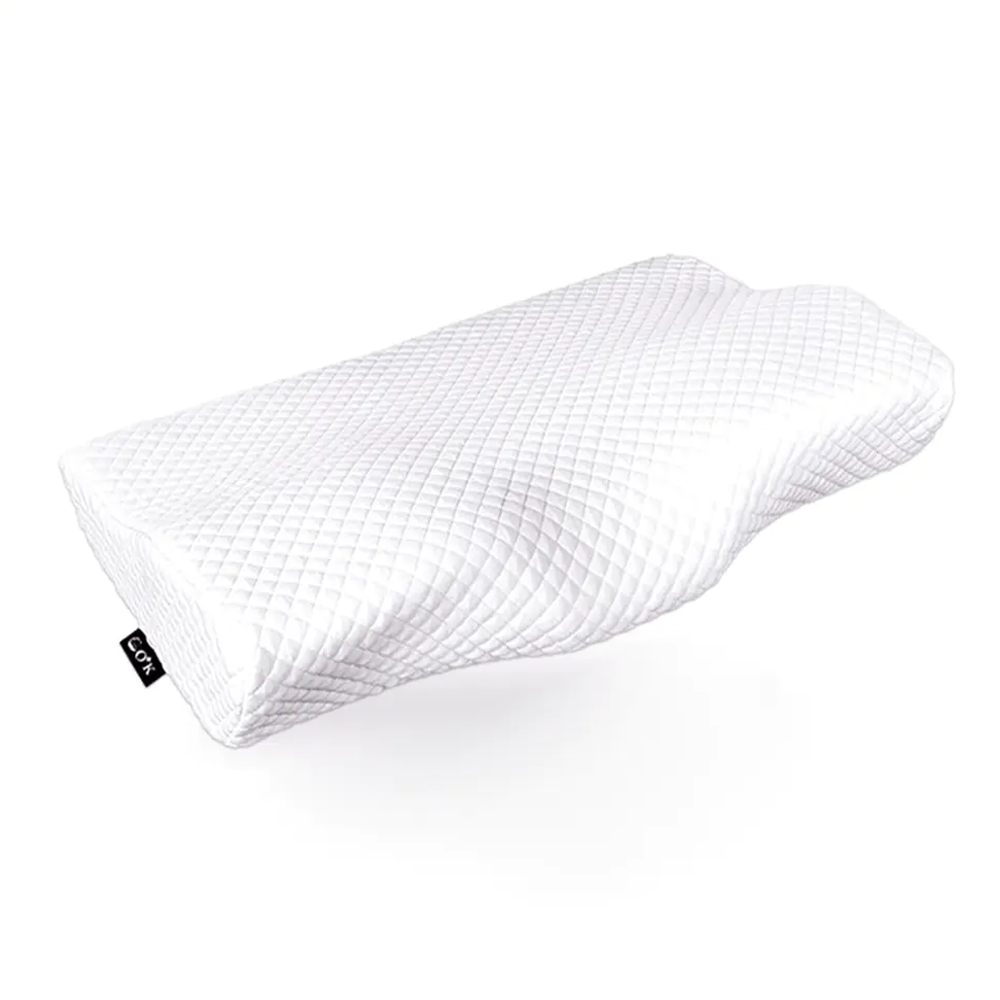
Solid Contour Memory Foam Pillows
Carved from a single block of foam, contour pillows are molded to cradle the neck and head in one fixed shape. Because the structure is continuous rather than loose fill, these pillows tend to hold their shape for 2 to 3 years, making them one of the longer-lasting memory foam options as long as the density rating is at least 4 PCF.
Shredded Memory Foam Pillows
Shredded foam pillows are filled with small foam chunks, allowing the sleeper to fluff or adjust the loft. This flexibility is convenient, but the individual pieces shift and compress against each other over time, which typically shortens the lifespan to 1.5 to 2.5 years compared with solid foam designs.
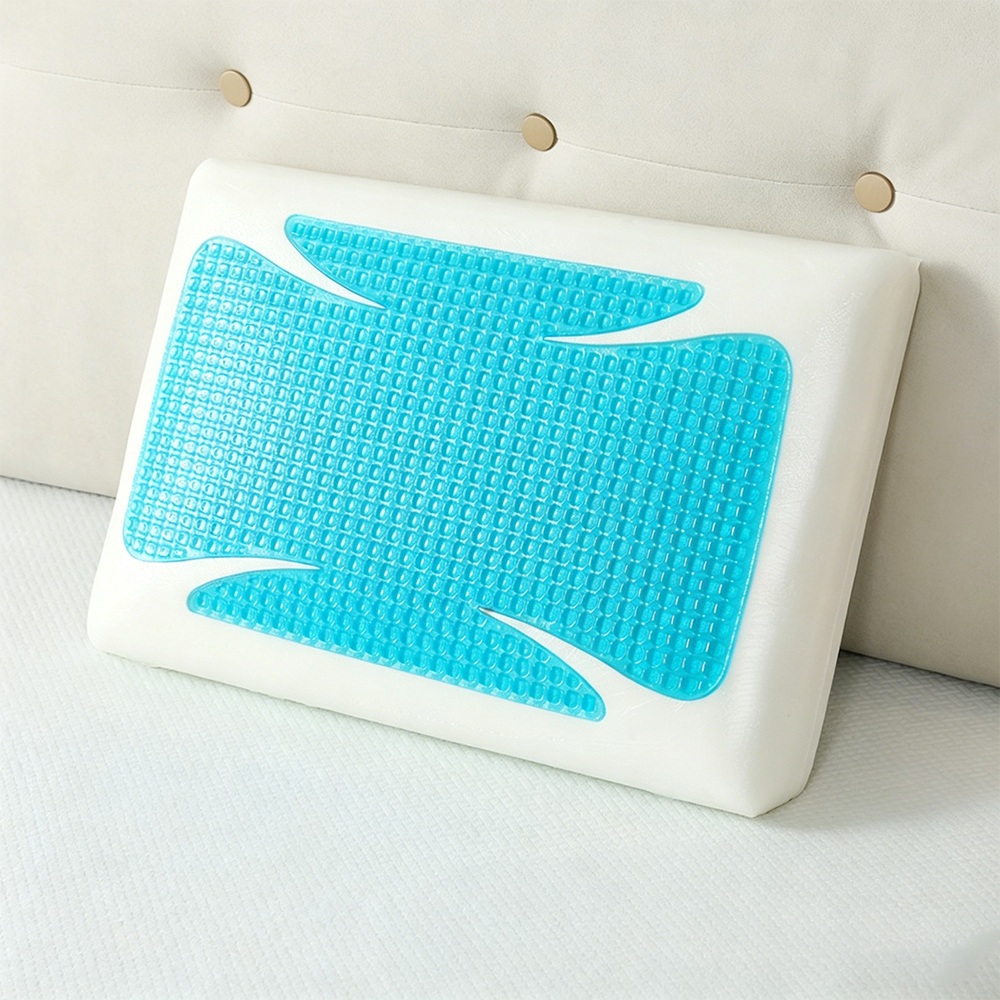
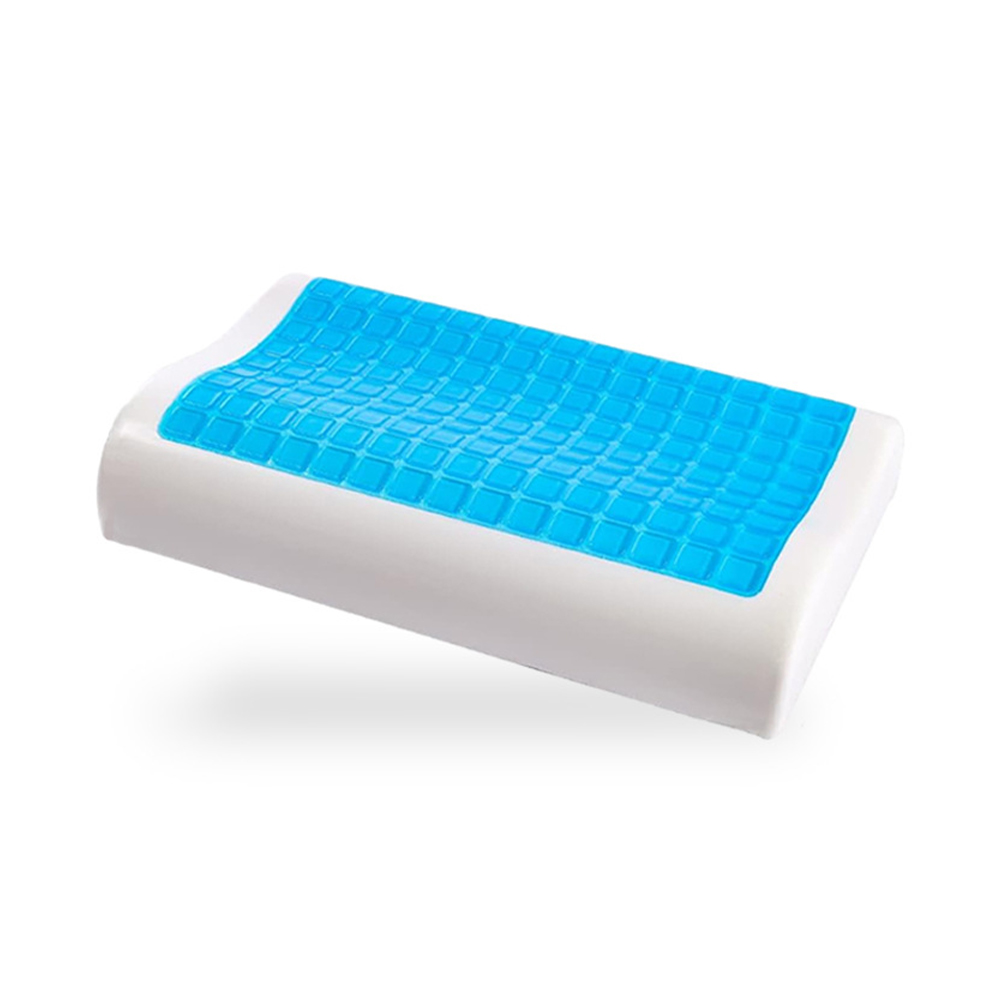
Gel-Infused and Cooling Memory Foam Pillows
Gel beads or cooling gel layers are added to standard memory foam to offset heat retention. The gel itself doesn't degrade quickly, but the base foam underneath still follows the same 2-to-3-year timeline as standard solid foam, so the cooling feature does not meaningfully extend overall lifespan.
Adjustable or Customizable Memory Foam Pillows
These pillows let you remove or add foam inserts to change loft and firmness. Because excess fill can be stored separately rather than constantly compressed, well-maintained adjustable pillows can last close to 3 years, provided the inserts are rotated periodically to distribute wear evenly.
Telltale Signs Your Memory Foam Pillow Needs Replacing
Even within the typical 18-to-36-month window, a memory foam pillow may need replacing earlier if it shows clear physical or functional warning signs. Watch for the following:
- The pillow no longer springs back to shape after you remove your head, or recovery takes more than a few seconds.
- Visible permanent dents, flattened zones, or lumps in shredded foam fill.
- A persistent odor that doesn't go away after airing out, which often signals trapped moisture or bacterial buildup.
- Waking up with new or worsening neck, shoulder, or upper back stiffness.
- Visible crumbling, yellowing, or flaking of the foam material itself.
- Increased sneezing or allergy symptoms at night, suggesting dust mite accumulation.
If you notice two or more of these signs at once, it's a strong indicator that the pillow's support has already declined well below the level needed for healthy spinal alignment, regardless of how long you've technically owned it.
Memory Foam Pillow Lifespan vs Other Pillow Types
Memory foam generally outperforms budget synthetic fill but lags behind premium latex when it comes to long-term durability. The table below compares average replacement timelines across common pillow materials.
| Pillow Type | Average Lifespan | Main Cause of Wear |
|---|---|---|
| Memory Foam (solid) | 2 - 3 years | Foam cell collapse, heat exposure |
| Memory Foam (shredded) | 1.5 - 2.5 years | Fill clumping, loss of loft |
| Natural Latex | 3 - 4 years | Slow material oxidation |
| Down / Feather | 1 - 2 years | Quill breakage, moisture damage |
| Polyester Fiberfill | 6 - 18 months | Fiber matting, rapid flattening |
As the table shows, memory foam sits in the middle of the durability spectrum — it lasts considerably longer than polyester or down pillows but doesn't quite match the longevity of natural latex.
How to Make Your Memory Foam Pillow Last Longer
While no memory foam pillow lasts forever, a few simple habits can meaningfully extend its useful life and delay the point at which support starts to decline.
- Always use a removable, washable pillowcase and a separate zippered protector underneath it to block sweat and oil from reaching the foam.
- Air the pillow out in a well-ventilated, sunlit spot once a month to release trapped moisture and reduce odor buildup.
- Keep bedroom temperature below 75°F (24°C) where possible, since cooler conditions help foam retain its structural memory.
- Avoid folding, rolling, or compressing the pillow for long periods outside of normal use, as this can create permanent creases.
- Fluff or reshape shredded foam pillows weekly to redistribute fill and prevent clumping in one area.
- Never machine wash or dry solid memory foam directly, as heat and water break down the cell structure; spot clean with a damp cloth and mild detergent instead.
Following these steps consistently can push a mid-range memory foam pillow's useful life from the typical 2 years closer to 3 years, without changing the underlying product.
Cost Per Use: Is a Memory Foam Pillow a Good Investment?
When evaluating value, it helps to look beyond the upfront price and calculate cost per night of use. A mid-range memory foam pillow typically costs between $30 and $80, and premium contour or gel-infused versions can run $80 to $150.
| Pillow Price | Lifespan | Cost Per Night |
|---|---|---|
| $30 | 18 months | $0.055 |
| $60 | 24 months | $0.082 |
| $120 | 36 months | $0.109 |
Even at the higher end, a quality memory foam pillow costs roughly 10 cents per night — less than the price of a cup of coffee for an entire month of sleep support. This makes timely replacement, rather than stretching a worn-out pillow for years, a financially reasonable choice given the relatively low cost per use.
Proper Cleaning and Maintenance Routine
Routine maintenance won't make a memory foam pillow last indefinitely, but it slows the rate of breakdown and keeps the pillow hygienic in the meantime.
Weekly Care
Wash the pillowcase weekly in hot water to remove sweat, skin cells, and allergens before they can reach the foam through the cover.
Monthly Care
Remove the outer protector and let the bare pillow air out in indirect sunlight for 2 to 3 hours. Sunlight helps neutralize odor-causing bacteria without exposing the foam to excessive heat.
Spot Cleaning
For stains, mix a small amount of mild liquid detergent with water, dab (don't soak) the affected area, then blot with a dry towel and allow to air dry completely before reuse to prevent mold growth inside the foam.
How to Choose a Memory Foam Pillow That Lasts Longer
If durability is a priority, the buying decision matters just as much as the care routine afterward. A few specific details on the product label can help you predict longevity before you ever sleep on the pillow.
First, check the foam density listed in the product specifications. Look for foam rated 4 PCF or higher, since this is the threshold most sleep product reviewers associate with slower flattening over time. Second, favor pillows with a removable, zippered, machine-washable cover, which protects the foam core from absorbing oils and moisture directly. Third, consider CertiPUR-US or OEKO-TEX certification labels, which indicate the foam was tested for harmful substances and tends to come from more consistent manufacturing processes.
It's also worth checking the warranty length, since manufacturers that offer 2-year or 3-year warranties are generally more confident in their foam's ability to resist permanent compression. Finally, reading verified customer reviews after the 12-month mark — rather than first-week impressions — gives a much more accurate picture of how a specific pillow performs once the "new foam" feel has worn off.
Frequently Asked Questions
Can a memory foam pillow be washed in a washing machine?
No. Solid memory foam should never go in a washing machine or dryer, since water saturation and mechanical agitation break down the foam's cell structure permanently. Shredded foam pillows with a removable, machine-washable outer cover are the exception — only the cover should be washed.
Does a memory foam pillow lose its smell over time?
The initial "off-gassing" odor common in new memory foam typically fades within 3 to 7 days of airing out in a ventilated room. A lingering odor that appears later in the pillow's life, however, usually signals trapped moisture or bacteria rather than normal off-gassing.
Is it bad to use a memory foam pillow past its recommended lifespan?
Using a degraded pillow won't cause sudden harm, but it removes the spinal alignment support the pillow was designed to provide, which is commonly linked to increased neck and shoulder discomfort during sleep.
Do memory foam pillows come with a warranty that reflects their lifespan?
Many manufacturers offer warranties ranging from 1 to 3 years, which roughly matches the realistic functional lifespan of the product. A warranty typically covers manufacturing defects such as premature splitting or seam failure, but it usually does not cover normal flattening from everyday use, so it shouldn't be treated as a guarantee that the pillow will still feel supportive on the final day of coverage.
Can two people share one memory foam pillow without affecting its lifespan?
Sharing a single pillow nightly roughly doubles the compression cycles it endures, which can shorten its effective lifespan by 20% to 30% compared with single-person use. For households where pillows are shared, choosing a higher-density foam or planning for replacement closer to the 18-month mark helps maintain consistent support.
References
- Sleep Foundation - Pillow buying and replacement guidance
- Better Sleep Council - Bedding lifespan and hygiene recommendations
- Consumer Reports - Pillow materials and durability comparisons
- American Chiropractic Association - Sleep posture and pillow support guidance
PREV:Is a Memory Foam Pillow the Ultimate Solution for Your Neck Pain and Better Sleep?
NEXT:Global Sponge Pet Products Market 2026: Eco-Friendly & Health-Centric Growth Drivers
NEXT:Global Sponge Pet Products Market 2026: Eco-Friendly & Health-Centric Growth Drivers
Interested in cooperation or have questions?
Related News
WELLCARE was founded in 2003, boasting over a decade of profound and extensive experience.
Quick Links
Product
Media Centre
Contact Information
- [email protected]
- +86-517-84998062
- +86-15152354988
- No. 168 Nenjiang Road, Huaiyin District, Huai'an City, Jiangsu Province, China
Copyright © Jiangsu Wellcare Household Articles Co., LTD. All Rights Reserved.
Custom Memory Gel Mattress Manufacturers
