

 English
 日本語
日本語 Español

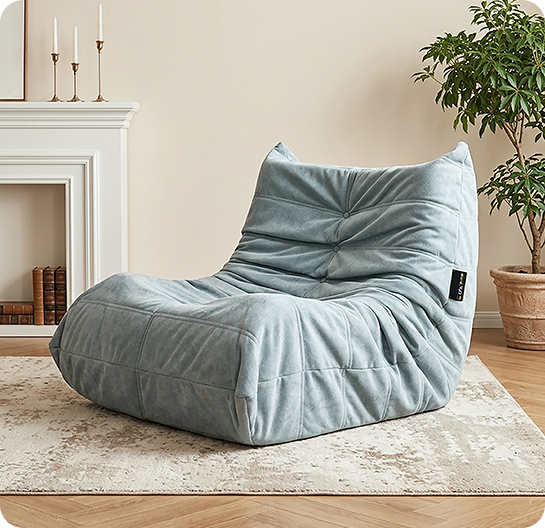
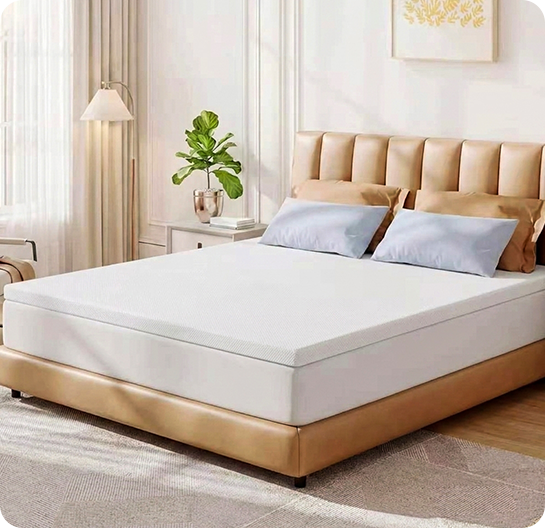
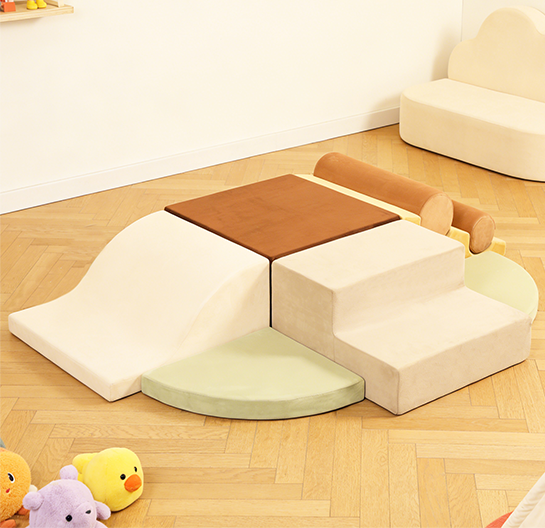
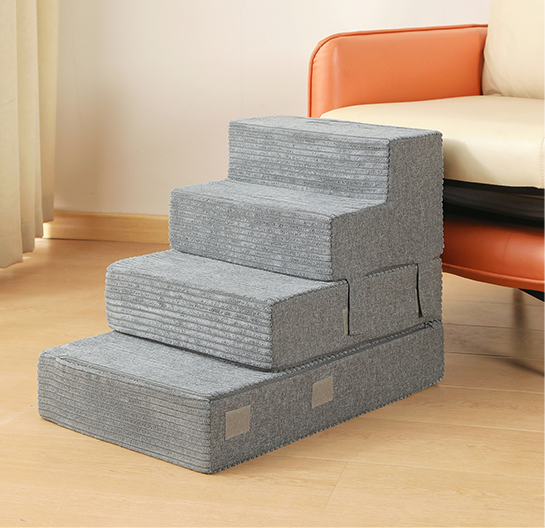
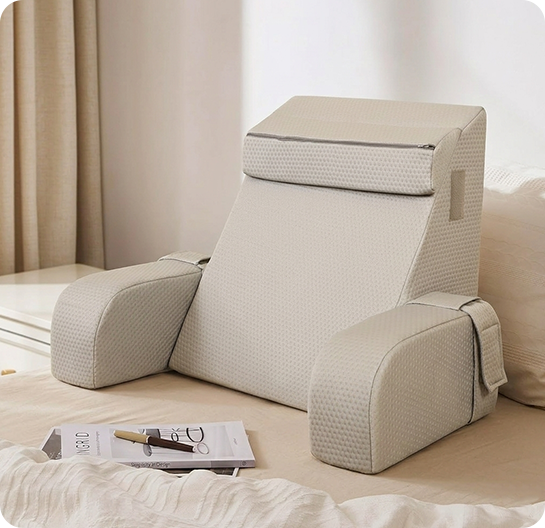
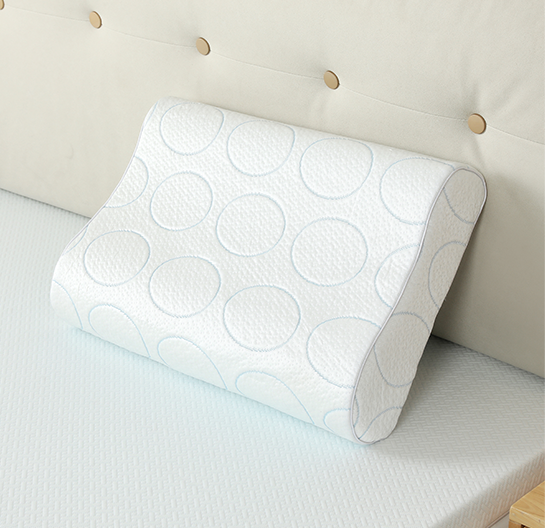
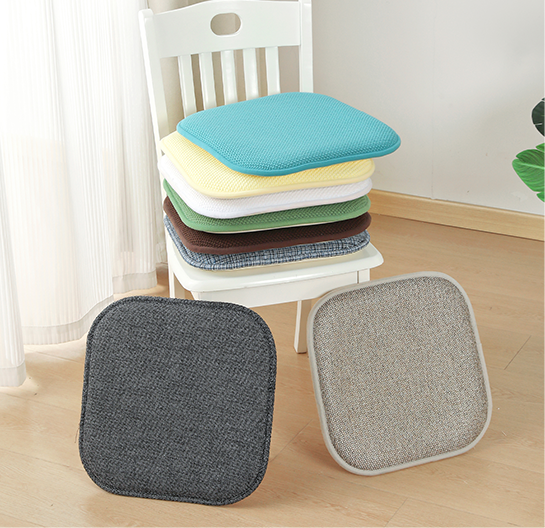
The Memory Foam Cushion is an intelligent support solution designed to alleviate pressure from prolonged sitting and enhance overall comfort. At its core, it utilizes temperature-sensitive, slow-rebound memory foam that precisely conforms to the body's contours, evenly distributing weight across the hips and lower back to improve posture and reduce discomfort. Ideal for office chairs, car seats, and home sofas, a premium memory foam seat cushion offers exceptional support and durability. Investing in a high-quality memory foam cushion is a direct investment in your daily well-being, providing reliable, all-day comfort.
-
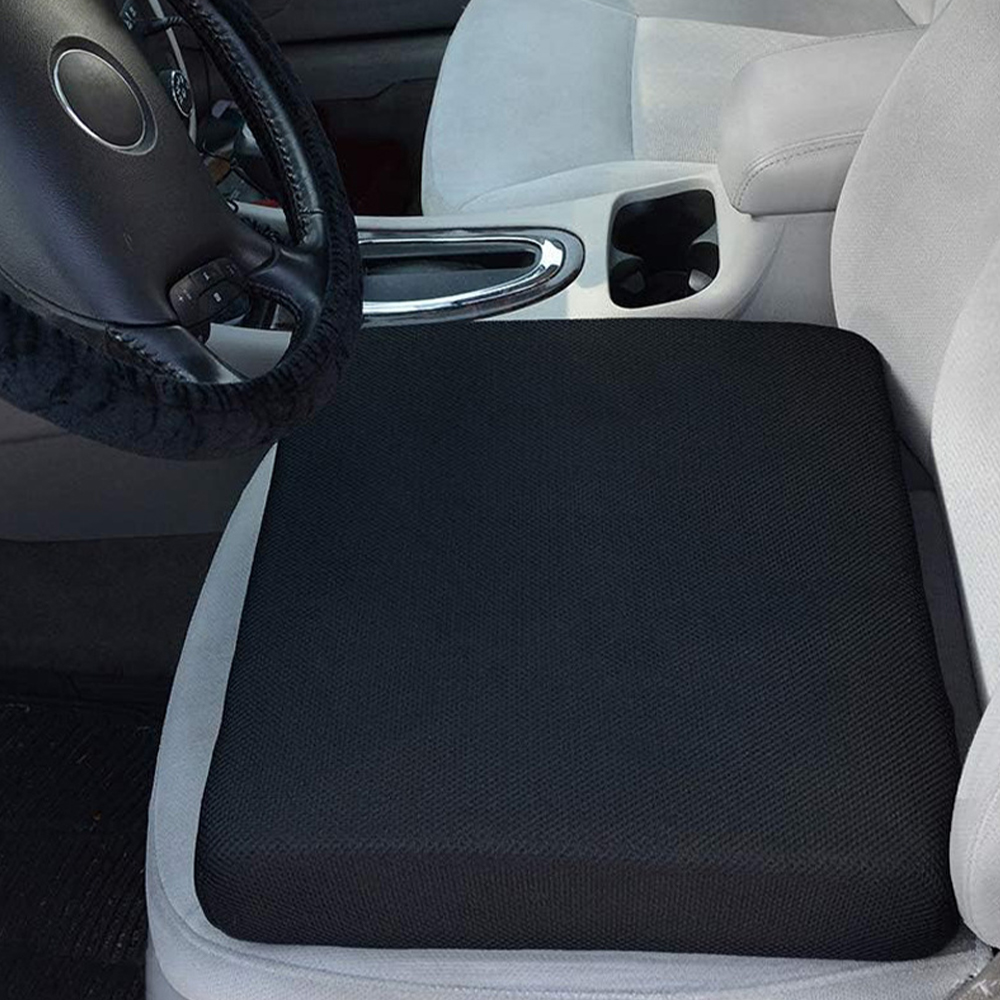 Memory foam seat cushion
Enjoy comfort even while sitting for long periods. This memory foam seat cushion features a high-density slow-...
-
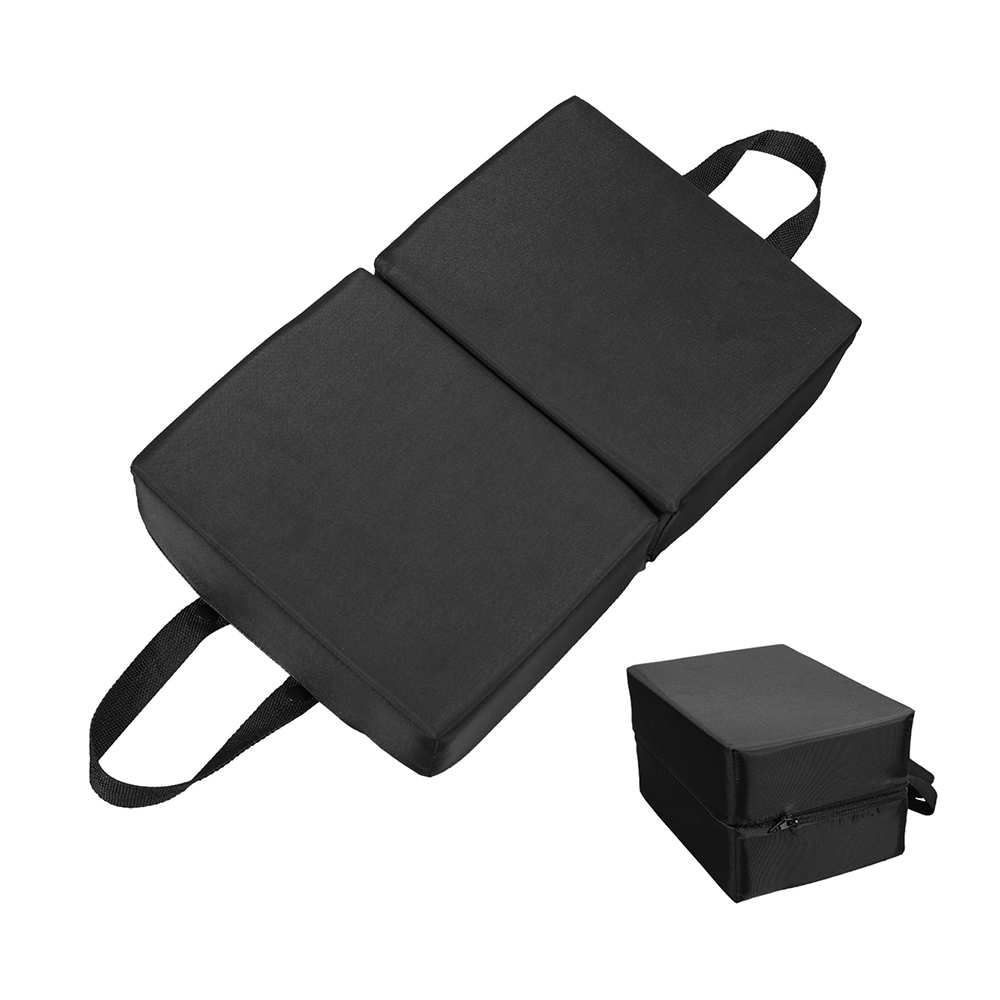 Foldable memory foam seat cushion
Lightweight and easy to fold, comfortable on the go. This memory foam seat cushion features a high-density slo...
-
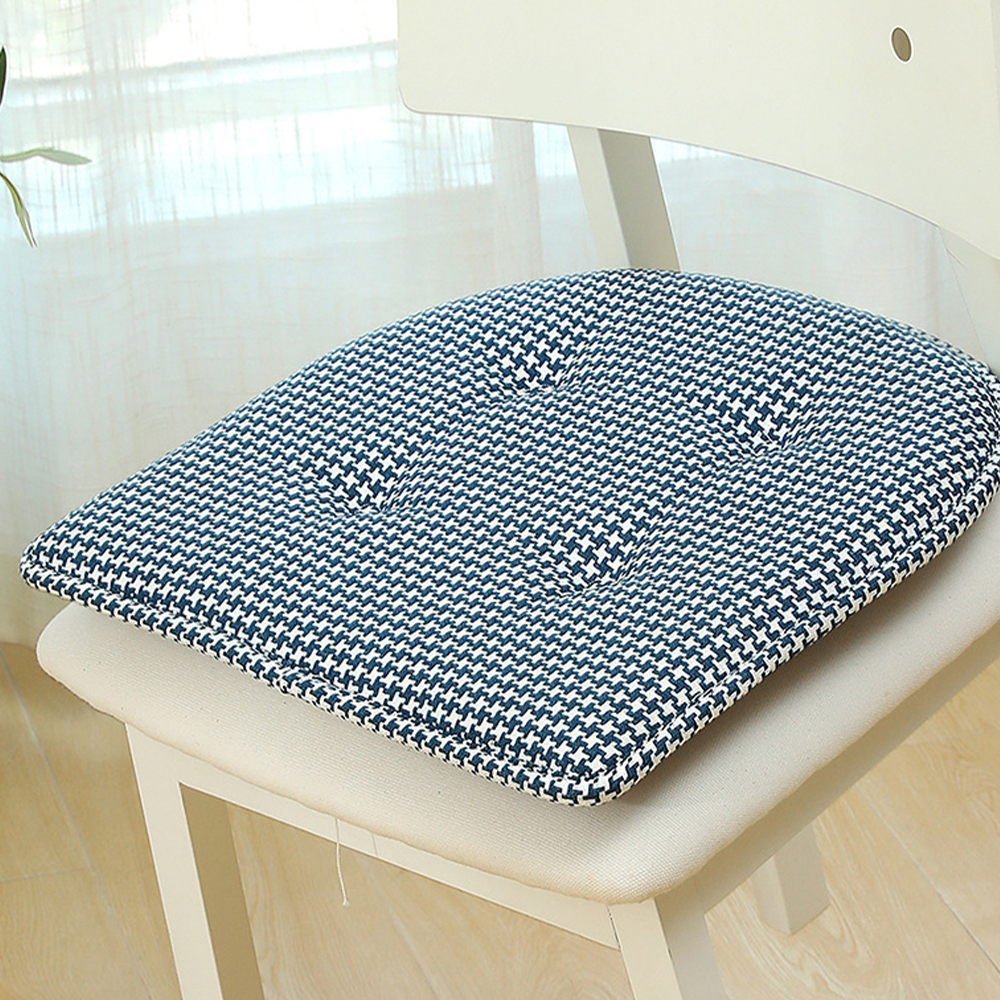 Student Memory Foam Seat Cushion
A gentle, supportive cushion that melts into your heart. This memory foam seat cushion features a high-density...
-
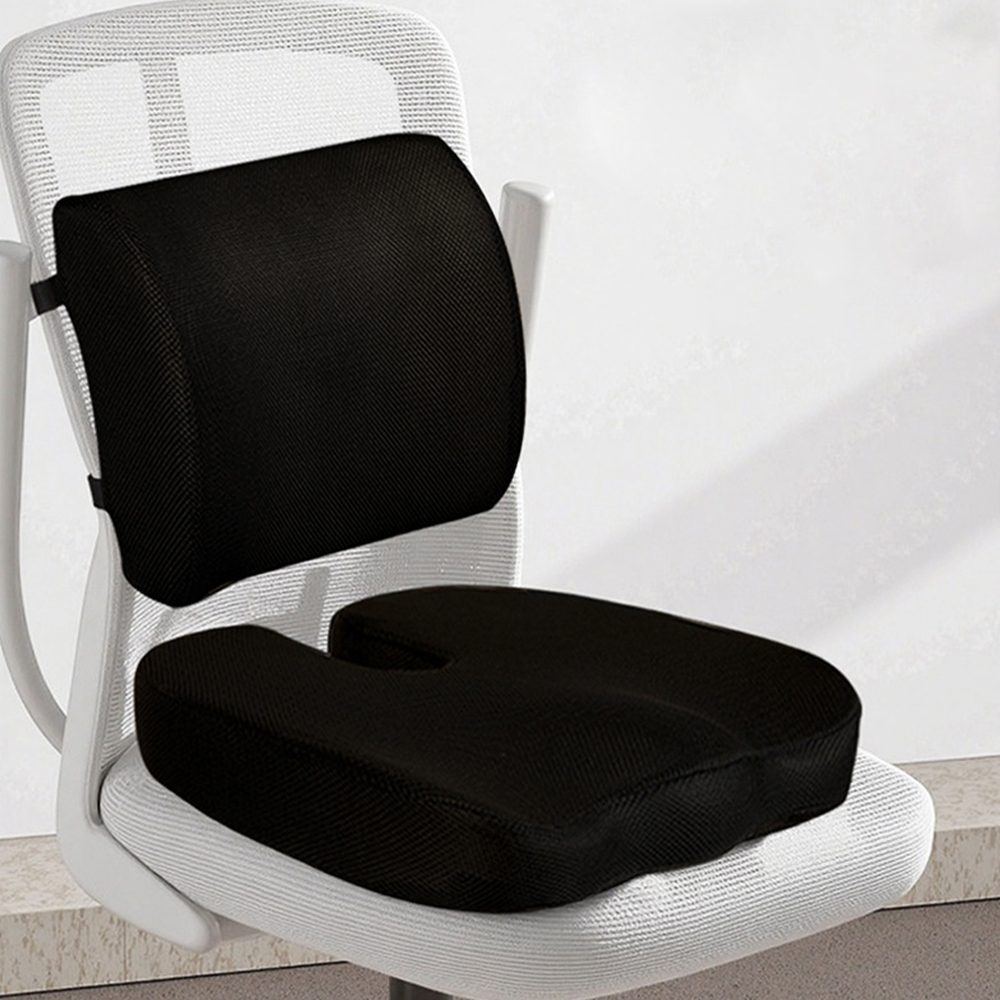 Memory foam backrest cushion
Scientifically designed for comfortable support. This lumbar support seat cushion features a high-density, slo...
About Wellcare
Jiangsu Wellcare Household Articles Co., LTD.
As a famous China Memory Foam Seat Pad Manufacturers and Memory Foam Cushion For Car Suppliers, WELLCARE was founded in 2003 and has long been dedicated to the R&D and manufacturing of high-performance sleep materials and healthy home products. Centered on material innovation, the company keeps exploring foam solutions that are more comfortable, safer and more reliable to serve the global sleep market.
Led by a doctor-led R&D team, the company develops more than one hundred new foam materials every year. The product portfolio covers ordinary sponge, memory foam, gel foam, temperature-insensitive memory foam, quick-dry memory foam, flame-retardant sponge, antibacterial sponge and other categories, with continuous optimization of formulas and structural performance.
Led by a doctor-led R&D team, the company develops more than one hundred new foam materials every year. The product portfolio covers ordinary sponge, memory foam, gel foam, temperature-insensitive memory foam, quick-dry memory foam, flame-retardant sponge, antibacterial sponge and other categories, with continuous optimization of formulas and structural performance.
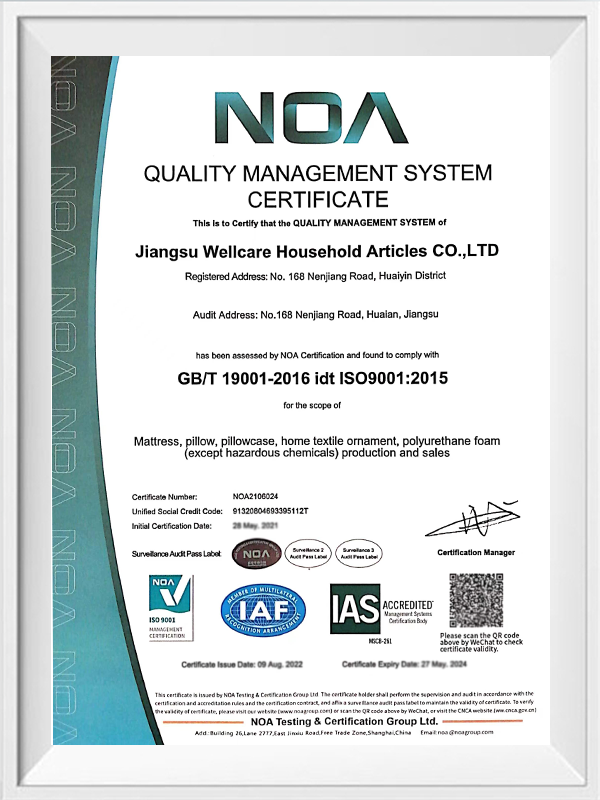
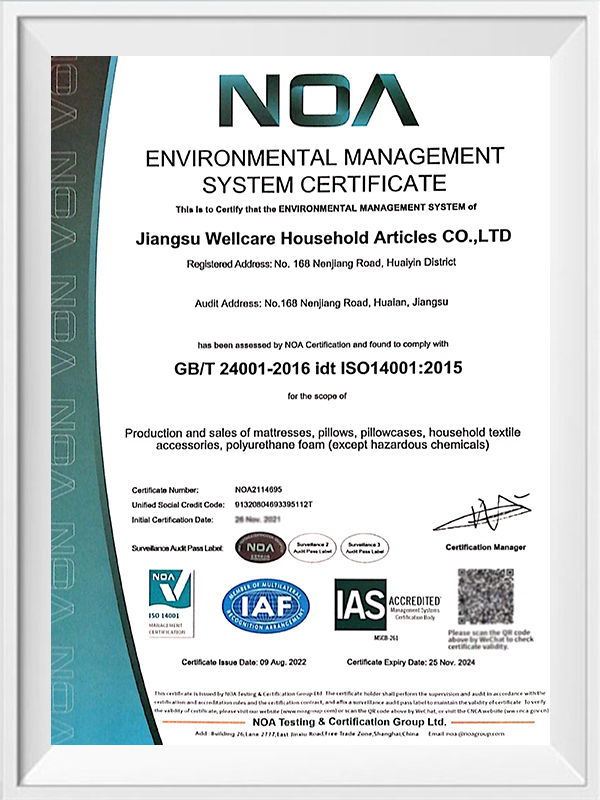
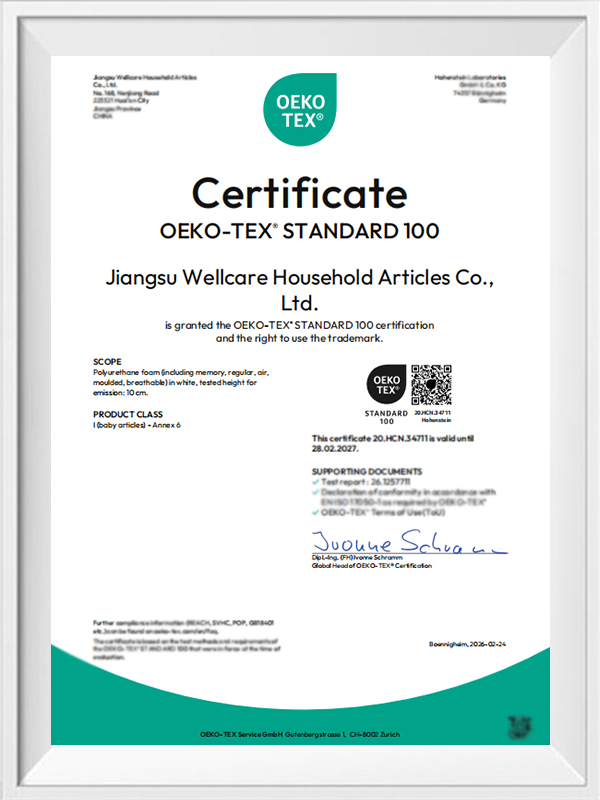
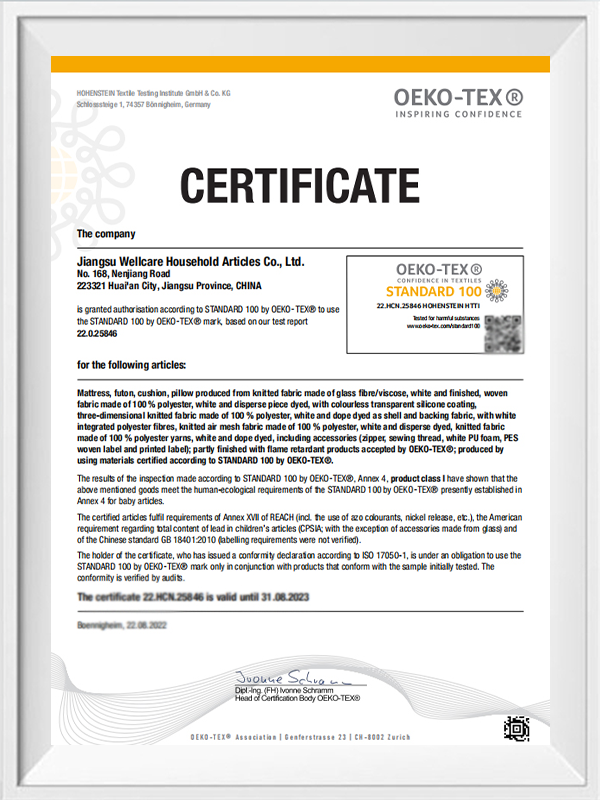
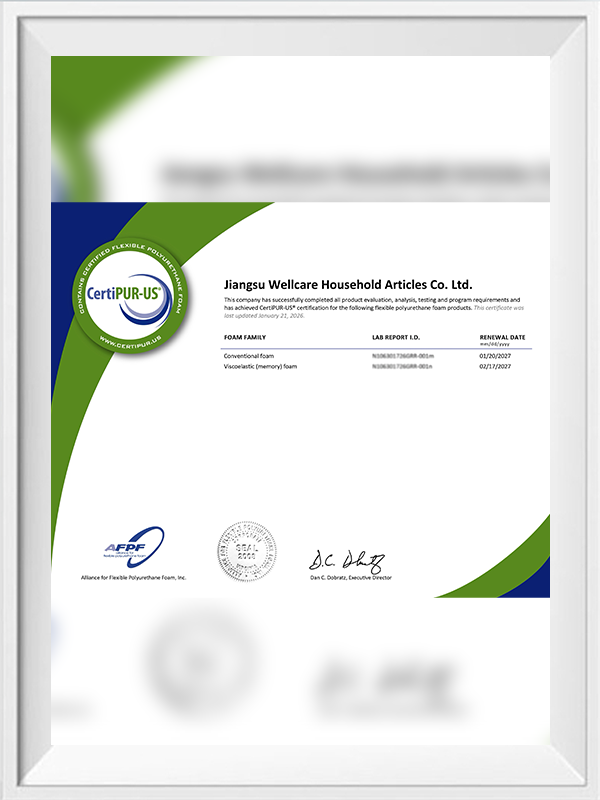
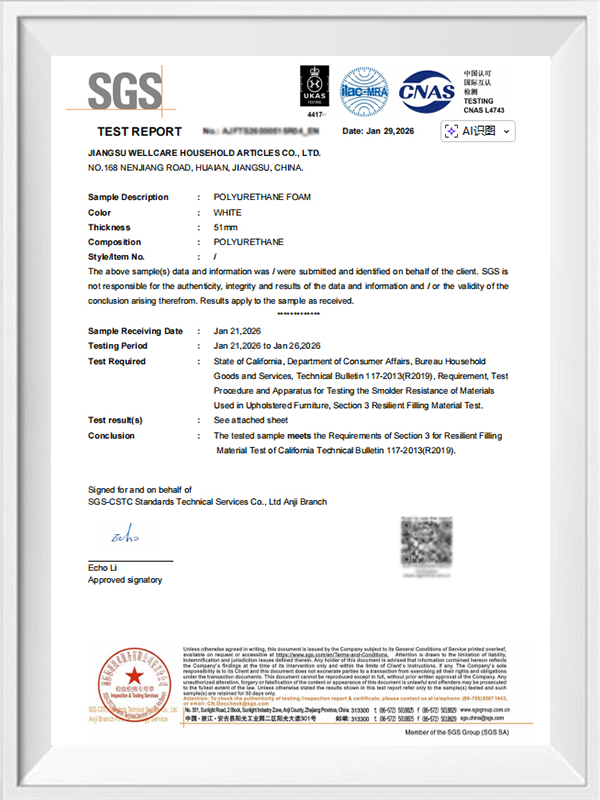
Certificate Of Honor
Message Feedback
Memory Foam Cushion Industry knowledge
Jiangsu Wellcare Household Articles Co., Ltd. is a Memory Foam Cushion manufacturer focused on pressure-relief seating for office, automotive, healthcare, and home applications. Our cushion range spans gel-infused, hemorrhoid, and chair cushion configurations, all built on the same material platform we use for our memory foam mattresses and pillows. We develop foam in-house, which allows us to control density, recovery speed, and thermal behavior for consistent batch-to-batch performance.
Memory Foam Cushion Range
We supply three primary cushion families, each engineered for a specific seating condition. All cushions use slow-rebound memory foam as the core support layer, with optional gel infusion, contoured profiles, and removable covers.
Gel Memory Foam Cushion
Combines pressure-adaptive memory foam with cooling gel beads or layers. Designed for long-duration seating where heat buildup is a concern, such as office chairs and vehicle seats.
Hemorrhoid Cushion
U-shaped design with a central hollow to relieve pressure on sensitive areas. Suitable for post-surgical recovery, tailbone pain, and prolonged sitting in healthcare or home settings.
Memory Foam Chair Cushion
Includes seat pads, foldable travel cushions, student cushions, and lumbar backrests. Configurable for standard office chairs, dining chairs, and task seating.
Application Fit and Material Selection
We match foam formulation to the seating environment. For office and task seating, we typically recommend medium-density memory foam (40–60 kg/m³) with a slow recovery time of 3–5 seconds. For automotive applications, we use temperature-insensitive formulations to maintain consistent support across cabin temperature swings. For healthcare cushions, we prioritize open-cell structures for breathability and optional antibacterial additives.
| Application | Recommended Foam Type | Key Considerations |
|---|---|---|
| Office chair seat pad | Medium-density memory foam, optional gel top layer | Pressure distribution, breathability, non-slip base |
| Automotive seat cushion | Temperature-insensitive memory foam, high resilience base | Vibration damping, dimensional stability, flame retardancy |
| Healthcare / hemorrhoid cushion | Open-cell memory foam, antibacterial option | Pressure relief, hygiene, washable cover |
| Lumbar backrest | High-density memory foam, contoured profile | Posture support, strap adjustability, durability |
Engineering and Manufacturing Control
Our factory runs continuous foaming, mold forming, precision cutting, and post-processing lines. For cushion production, we control foam density within ±2 kg/m³ and recovery time within ±0.5 seconds for standard formulations. We can adjust IFD (indentation force deflection) values to meet specific support requirements, and we offer multi-layer constructions that combine memory foam with high-resilience base foam or gel inserts.
- In-house foam formulation: ordinary sponge, memory foam, gel foam, temperature-insensitive, quick-dry, flame-retardant, antibacterial
- Doctor-led R&D team develops over 100 new foam materials annually
- Continuous foaming and mold forming for consistent cell structure
- Precision cutting for complex contours and U-shape designs
- Post-processing includes cover sewing, lamination, and packaging
Customization and OEM/ODM Support
We work with distributors and brands to develop private-label cushion programs. Typical customization options include:
- Foam density and hardness adjustment (soft, medium, firm)
- Gel infusion patterns or gel layer thickness
- Contour profiles: flat, coccyx cutout, U-shape, wedge
- Cover materials: polyester, bamboo, mesh, waterproof, removable/washable
- Non-slip base options: silicone dots, rubberized fabric, straps
- Size and thickness customization for specific chair models
- Logo embossing, labeling, and retail packaging
Quality Assurance and Compliance
Every cushion batch undergoes compression set testing, density verification, and visual inspection. We can provide material safety data sheets and support compliance with REACH, CPSIA, and other regional requirements for foam products. Our factory is equipped for accelerated aging tests and compression cycling to validate long-term performance.
Information We Use to Configure Your Solution
To prepare an accurate proposal, we need the following project details:
- Target application (office, automotive, healthcare, travel)
- Required dimensions and thickness
- Desired foam density or firmness level
- Cover material and color preferences
- Any special features (gel, cutout, straps, antibacterial)
- Estimated annual quantity and packaging requirements
- Target market and compliance standards
Frequently Asked Questions
What is the minimum order quantity for custom memory foam cushions?
We offer flexible MOQ for initial market testing. For standard designs, MOQ can be as low as 500 pieces; for fully custom molds, MOQ depends on tooling investment and foam formulation. Contact us with your target quantity for a tailored quote.
Can you match a specific foam density or hardness?
Yes. We adjust foam formulation to achieve target density (typically 30–80 kg/m³) and IFD values. We can also provide samples with different firmness levels for your evaluation before mass production.
Do you provide covers and packaging?
We can supply cushions with removable, washable covers in various fabrics. We also offer retail-ready packaging, including polybags, boxes, and hang tags, with your branding.
What is the typical lead time for a custom cushion order?
Sample development usually takes 7–10 days after design confirmation. Mass production lead time is approximately 20–30 days, depending on order quantity and customization level.
Can you provide compliance documentation for export markets?
We can supply material safety data sheets and support testing for REACH, CPSIA, and other relevant standards. Our foam formulations can be adjusted to meet flame retardancy and VOC requirements for specific regions.
Related Products and Categories
Our portfolio also includes Product, Boneless Sofa for applications with different operating ranges, interfaces or integration requirements.
WELLCARE was founded in 2003, boasting over a decade of profound and extensive experience.
Quick Links
Product
Media Centre
Contact Information
- [email protected]
- +86-517-84998062
- +86-15152354988
- No. 168 Nenjiang Road, Huaiyin District, Huai'an City, Jiangsu Province, China
Copyright © Jiangsu Wellcare Household Articles Co., LTD. All Rights Reserved.
OEM/ODM Pressure Relief Seat Cushion Manufacturers
