

 English
 日本語
日本語 Español


Industry News

Home / Media Centre / Industry News / Can a Memory Foam Mattress Go on Box Springs? Yes, If the Foundation Is Right
Product Category
NEW Category
Contact us
Can a Memory Foam Mattress Go on Box Springs? Yes, If the Foundation Is Right
Can a Memory Foam Mattress Go on Box Springs?
A practical guide to matching memory foam with the foundation it sits on.
Last week, a customer showed me a photograph of her new memory foam mattress sitting on a twenty-year-old box spring. The center of the base dipped visibly toward the floor. She said it felt fine, but her lower back disagreed.
Her question was the same one we hear often: can a memory foam mattress go on box springs? The answer is yes, but only if the box spring is still firm, flat, the correct size, and not too old. A memory foam mattress does not forgive a weak foundation. It follows the base, holds its shape, and eventually begins to mirror every low spot. Here is how to decide whether your box spring is good enough, what happens when it is not, and how to choose a mattress that will work with the base you already own.
Why Memory Foam Depends on the Foundation
Memory foam is a pressure-responsive material. It compresses around your body and does not push back the way an innerspring does. That characteristic is what makes it comfortable, and it is also what makes it vulnerable to the surface underneath.
In a traditional innerspring setup, the coils inside the box spring add to the support. They absorb weight and create a flexible, springy structure. With memory foam, the support has to come from the foundation alone. The foam is essentially a thick block that needs a flat, rigid plane to sit on. If the box spring is soft or sagging, the foam will sink into its soft spots. Over time, those dips become permanent, and your lumbar area rests in a shallow valley instead of a neutral line.
Understanding the interaction between foam, foundation, and spine alignment is essential when choosing a sleep setup. Our guide to memory foam and spinal health goes deeper into that relationship.
What Kind of Box Spring Works Best
Not all box springs are the same. The term has become a catch-all for any boxy base under a mattress, but there are actually two distinct types: a true box spring with steel coils inside, and a solid foundation with no springs at all. For memory foam, a solid foundation is preferable. A true box spring can work if it is still firm, but the springs add no comfort value to memory foam. They only add the potential for unevenness.
| Type | Compatibility | Why |
|---|---|---|
| Solid foundation, no springs | Very good | Flat, rigid surface distributes weight evenly. |
| Platform bed | Very good | The whole surface supports the foam. |
| Slatted foundation | Good | Slats should be no more than 7.5 cm, or 3 inches, apart. |
| True box spring with coils | Conditional | Works only if the springs are tight and the top deck is firm. |
| Old or sagging box spring | Not recommended | Low spots transfer into the foam and create permanent dips. |
| Split box spring | Good | Two halves offer the same support and are easier to move. |
When you choose a memory foam mattress, the construction of the mattress itself also plays a part. A mattress with zoned support uses different foam densities in different areas, which can compensate for minor irregularities in the base. This is a practical reason to consider a zoned support design if your foundation is not perfectly new.
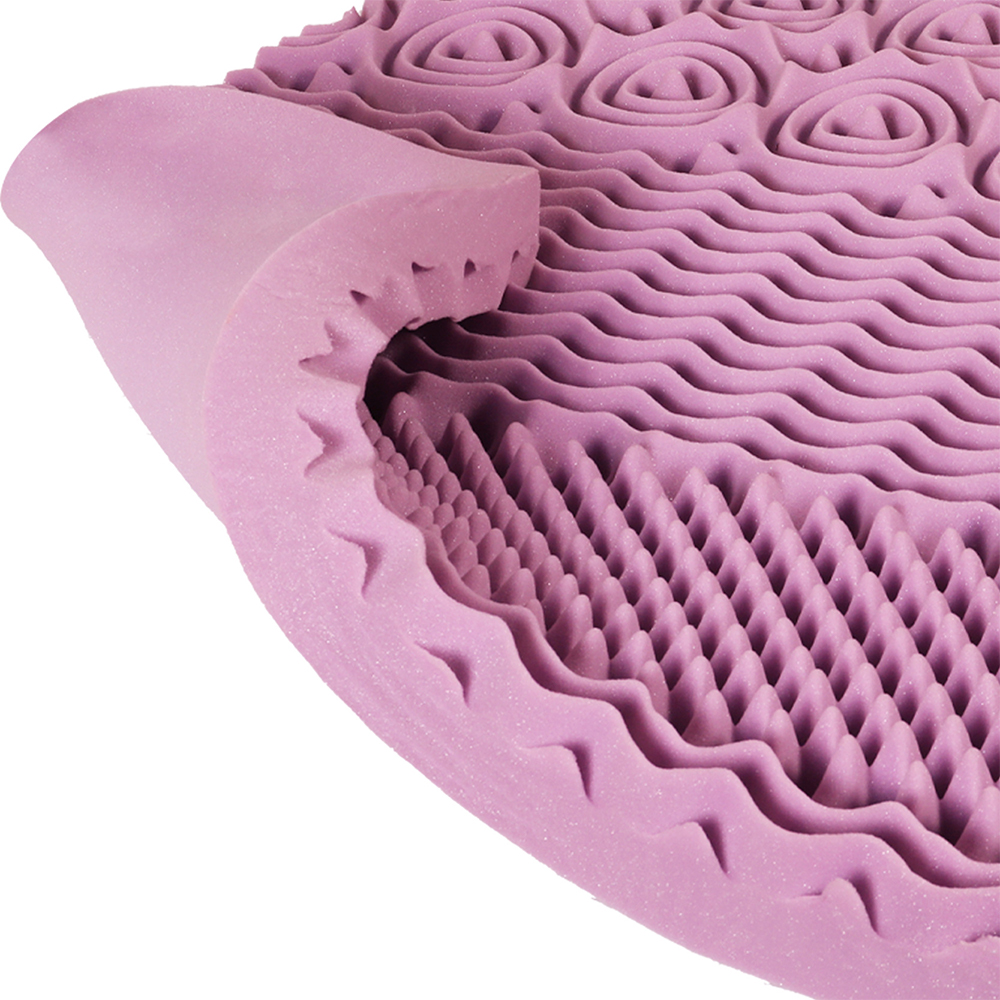 Zoned Memory Foam Mattress with Seven-Zone Support for Pressure ReliefThis mattress features a seven-zone ergonomic design that provides targeted support for different body areas, helping to compensate for minor base irregularities. Its high-density memory foam contours closely and improves sleep quality, making it a practical choice if your foundation is not perfectly new.View Product →
If your foundation is truly flat and firm, a standard memory foam mattress is the simplest, most straightforward choice. The support comes from the base, and the mattress can focus entirely on contouring.
How to Test Your Existing Box Spring
Spend five minutes with your box spring before you put any mattress on it. These four checks will tell you whether it is safe to use.
- Visual check. Stand a few meters back and look at the top surface. It should be flat. Any noticeable dip in the center or along the edges is a warning sign. You can use a straightedge or a long board to confirm.
- Pressure check. Press down firmly with both palms in the center and near each corner. The surface should feel firm and uniform. If it gives way beneath your hands, it will give way beneath your body.
- Sound check. Push down and roll your weight across the surface. Listen for squeaks or creaks. Those sounds usually mean the springs are worn or the frame has loosened.
- Size and age check. The base must be exactly the same width and length as your mattress. If it is more than ten to twelve years old, replace it even if it still looks fine. The wood and springs inside may have lost their rigidity.
Info
A box spring that looks fine from the outside can still be compromised. The wood frame and springs degrade silently over years of use, and the fabric cover hides most of it.
What Happens When the Box Spring Is Not Right
Placing a memory foam mattress on a weak box spring creates problems that compound over time.
- Permanent body impressions. The foam gradually settles into the low spots of the box spring, producing a valley that does not disappear when you get up.
- Reduced spine alignment. A soft dipping surface allows your hips to sink lower than your shoulders. This stretches the muscles along your back and increases pressure on the lumbar discs.
- Voided warranty. Most manufacturers inspect the foundation when a warranty claim is filed. A visibly sagging or unsuitable box spring is one of the most common reasons claims are denied.
Warning
If you place a new memory foam mattress on a box spring that fails the checks above, you may not be able to return the mattress later. Damage caused by an unsuitable foundation is typically excluded from coverage.
Alternatives When the Box Spring Is Not Right
If your box spring fails the test, you have several options. A slatted foundation with slats spaced no more than 7.5 cm apart works well. A platform bed is even simpler; its solid or semi-solid surface provides the flat plane that memory foam needs. Some manufacturers allow you to place the mattress directly on the floor, but this can trap humidity and limit airflow, so it is safest to use a low frame that allows air to circulate.
If your box spring passes the checks but the mattress itself feels thin or outdated, a memory foam pad can refresh the whole setup. It adds a layer of pressure-relieving foam on top of what you already have, without requiring a complete bed replacement. This is not a fix for a sagging foundation, but it is a practical way to improve comfort on a base that is still sound.
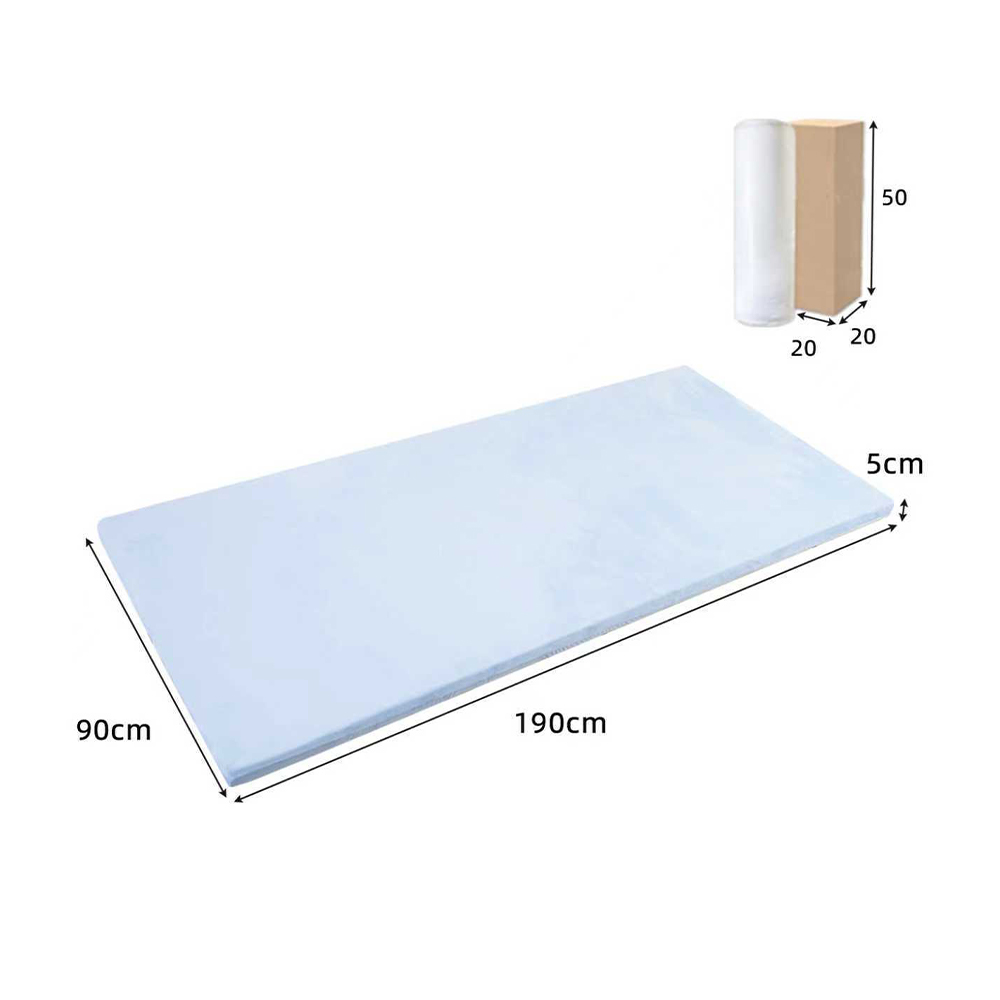 Memory Foam Pad to Refresh an Existing Mattress and Add ComfortA memory foam pad adds a pressure-relieving layer to your current setup without replacing the whole bed. It is an economical way to enjoy the benefits of memory foam on a sound base, though it is not a fix for a sagging foundation.View Product →
A pad is not a replacement for a structurally sound base, but it is the most economical way to gain the benefits of memory foam on a foundation that already passes the checks.
How to Choose a Memory Foam Mattress That Will Work With Your Box Spring
When you are ready to buy, the mattress construction determines how well it tolerates the base. Three aspects matter most.
- Density. A higher-density foam core is firmer and holds its shape better. A low-density mattress is softer but more likely to develop permanent impressions.
- Zoned support. Mattresses with zoned support distribute weight differently across the body. This helps if the base has minor imperfections.
- Thickness. A thicker mattress is generally more stable on a flat foundation. Thin toppers and pads are not designed to be the main support layer.
A standard memory foam mattress with a high-density core is the most reliable choice for a healthy box spring. It provides the contouring feel that memory foam is known for, without the extra complexity of layered systems or internal springs.
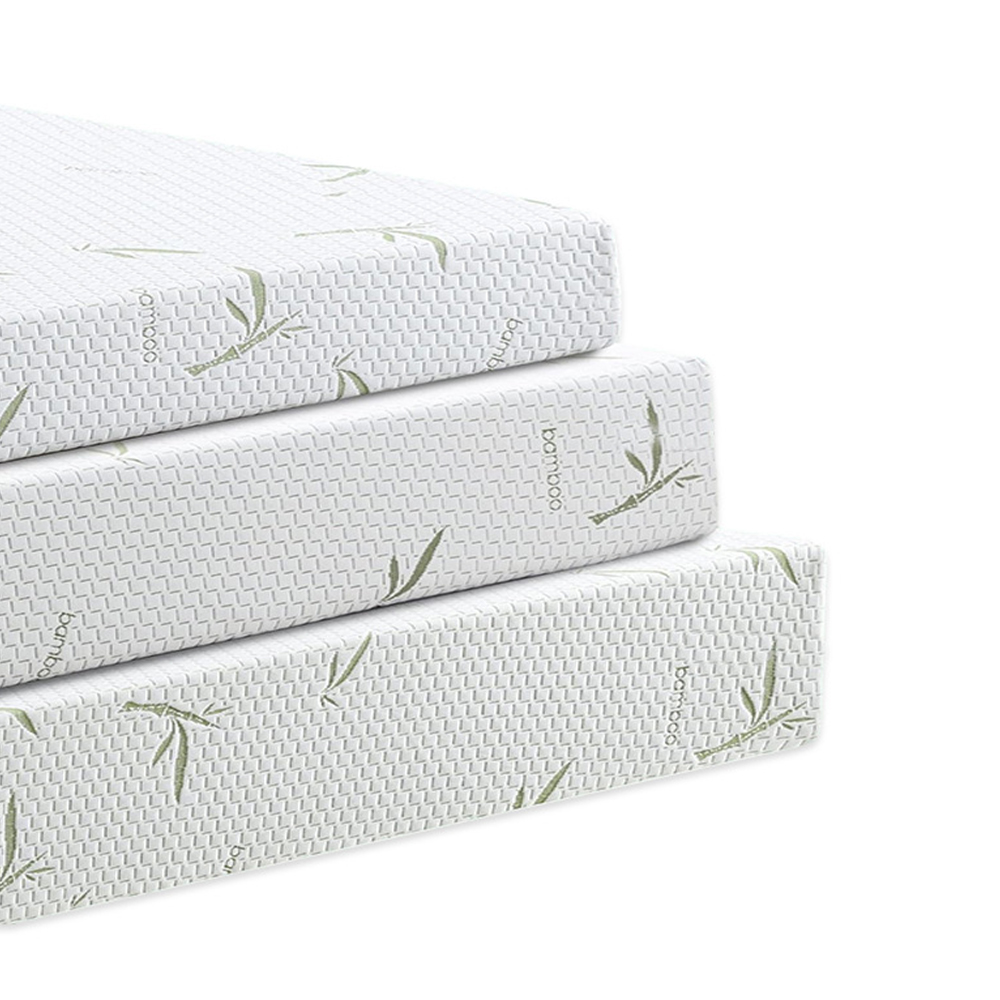 High-Density Memory Foam Mattress for Reliable Support on a Sturdy BaseThis standard memory foam mattress uses a high-density core for strong, stable support, providing the classic contouring feel without extra complexity. It is a straightforward, dependable option that matches well with a healthy box spring, ensuring comfortable sleep.View Product →
Before you make a final decision, compare the support requirements in the product description with what your box spring can provide. A good match between the mattress and the base is the key to a comfortable night.
The Bottom Line
A memory foam mattress can absolutely go on a box spring, but the box spring must be firm, flat, the right size, and not too old. Run the four checks in this article, and if your base fails even one, replace it. A sagging foundation will eventually ruin a good mattress, hurt your sleep, and void your warranty.
After years of working with sleepers and foundations, one pattern repeats: the mattress gets the credit, but the foundation gets the blame.
If your box spring is healthy, you can confidently place a memory foam mattress on it. With the right construction, you should enjoy a decade of comfortable, well-supported sleep.
Success
A new memory foam mattress paired with a solid foundation is one of the most reliable sleep setups you can invest in. The foam contours to your body, the foundation holds it level, and you wake up without the lower-back stiffness that comes from a weak base.
PREV:Can a Memory Foam Mattress Be Used on an Adjustable Bed? Yes—Here's What to Check
NEXT:Do I Need a Box Spring with a Memory Foam Mattress? What a Buyer Should Know
NEXT:Do I Need a Box Spring with a Memory Foam Mattress? What a Buyer Should Know
Interested in cooperation or have questions?
Related News
WELLCARE was founded in 2003, boasting over a decade of profound and extensive experience.
Quick Links
Product
Media Centre
Contact Information
- [email protected]
- +86-517-84998062
- +86-15152354988
- No. 168 Nenjiang Road, Huaiyin District, Huai'an City, Jiangsu Province, China
Copyright © Jiangsu Wellcare Household Articles Co., LTD. All Rights Reserved.
Custom Memory Gel Mattress Manufacturers
