English
 日本語
日本語 Español



Sleep Science · Material Engineering
The Heat Beneath the Comfort
Why memory foam sleeps warmer than innerspring or hybrid mattresses — and what that means for the way you rest tonight.
The direct answer is yes — memory foam mattresses retain more body heat than innerspring or hybrid mattresses. The reason lies in the material itself: a dense, viscoelastic polymer that molds to the body while simultaneously restricting the airflow that would otherwise carry heat away. Independent sleep lab testing shows surface temperatures on all-foam mattresses running 2 to 5 degrees Fahrenheit warmer than their coil-based counterparts across a typical eight-hour sleep cycle.
Innerspring mattresses rely on open coil systems that create natural air channels through the entire core. Hybrid designs pair a coil base with a slimmer foam comfort layer, reducing the total volume of heat-trapping material while retaining some of foam's pressure relief. This structural distinction is the central reason warm sleepers are so often steered toward coil-based or hybrid constructions.
The Science of Why Foam Sleeps Hot
To understand this behavior, it helps to look closely at how memory foam is built and how it responds to the body during sleep. Unlike coils — an inherently open structure — foam is a closed-cell or semi-open-cell material that compresses under weight instead of allowing air to pass freely through it.
Density and Cell Structure
Memory foam density typically ranges from 3 to 6 pounds per cubic foot. The higher the density, the slower the foam responds to temperature and pressure — and the more heat it tends to hold. Counterintuitively, premium high-density foams often trap the most warmth, as their tighter cell structure restricts airflow even further. Lower-density foams breathe a little better, but sacrifice some durability and support in the process.
memory foam mattresses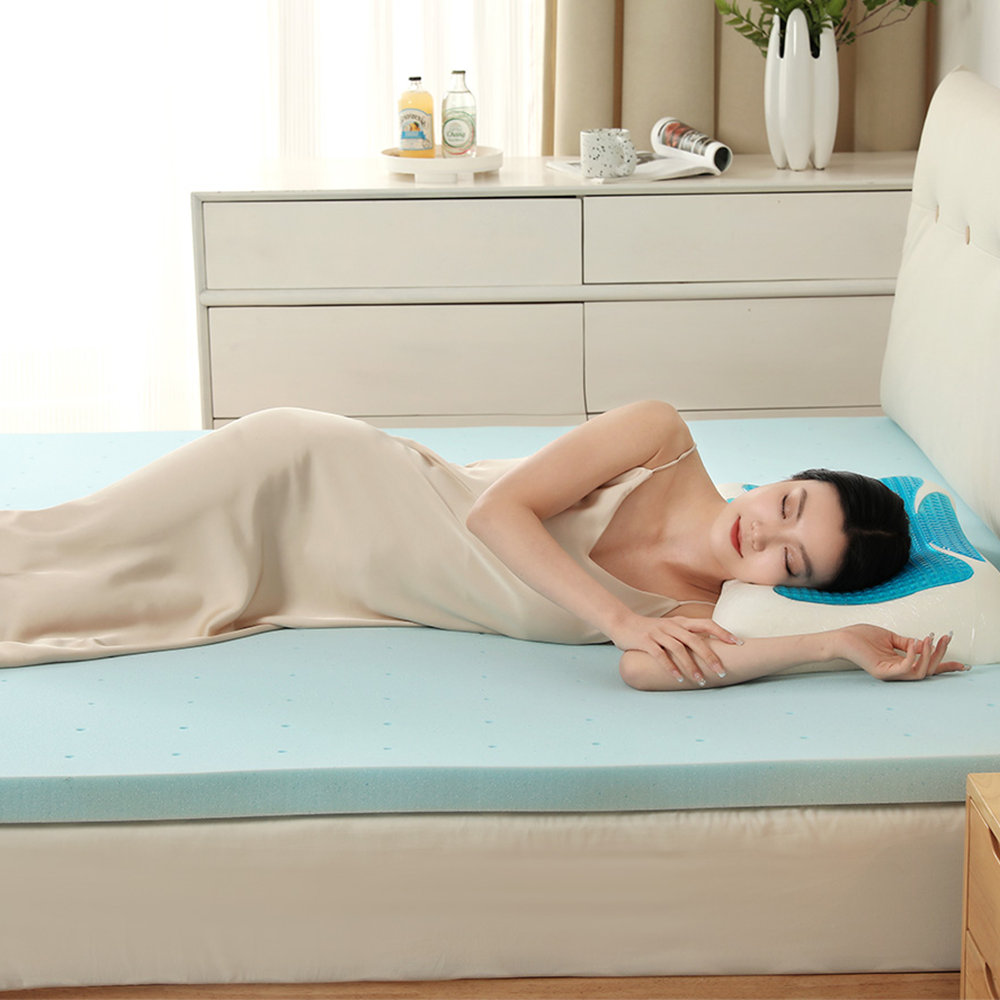
Body Contouring and Reduced Airflow
The deep contouring that defines memory foam's feel is precisely what limits ventilation. As the material molds around the shoulders, hips, and lower back, it eliminates the air gaps that would normally allow heat to dissipate. On an innerspring or hybrid mattress, the body rests more on top of the surface rather than sinking into it — allowing continuous air circulation between the sleeper and the mattress core.
Sinking into memory foam feels like comfort — but thermally, it behaves like insulation. The very quality that cradles the body is the quality that traps its warmth.
Comparing Heat Retention Across Mattress Types
The table below summarizes how memory foam, innerspring, and hybrid mattresses generally compare in terms of heat retention, airflow, and typical sleeper feedback, based on aggregated consumer sleep studies and manufacturer testing data.
| Mattress Type | Airflow Level | Avg. Surface Heat Increase | Overheating Reports |
|---|---|---|---|
| All-Foam Memory Foam | Low | 2°F – 5°F | High |
| Hybrid | Moderate | 1°F – 2°F | Moderate |
| Innerspring | High | 0°F – 1°F | Low |
As the data shows, innerspring mattresses consistently produce the least overheating, while all-foam memory foam sits at the opposite end of the spectrum. Hybrids offer middle ground — some of foam's pressure relief, without the same degree of heat buildup.
How Thickness Affects Heat Buildup
Thickness plays a meaningful role in how much heat a mattress traps. A thinner foam layer holds less insulating material against the body; a thicker one holds more. An 8 inch memory foam mattress is often considered a reasonable middle ground — enough depth for support and pressure relief, without the excessive insulation found in 12-inch or 14-inch all-foam beds. Mattresses beyond 10 inches typically stack multiple foam layers, and each additional layer further reduces the material's ability to release accumulated heat.
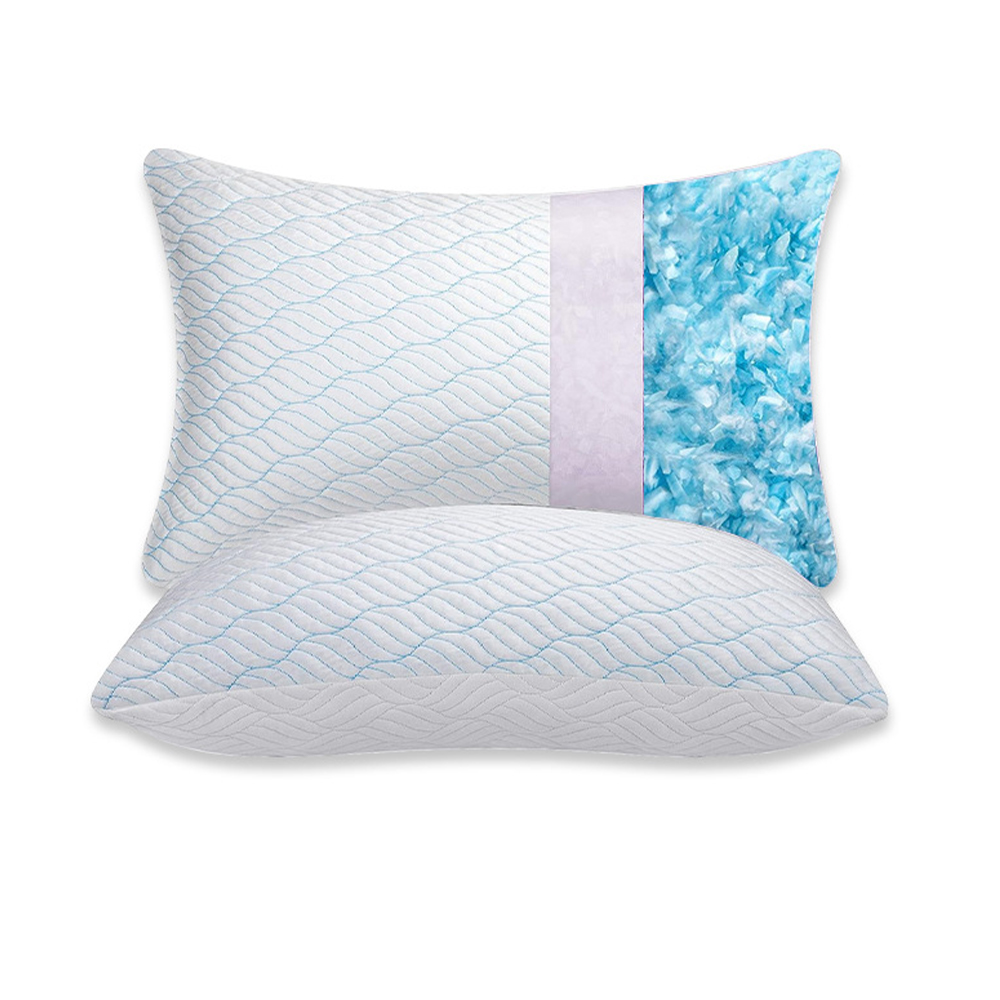
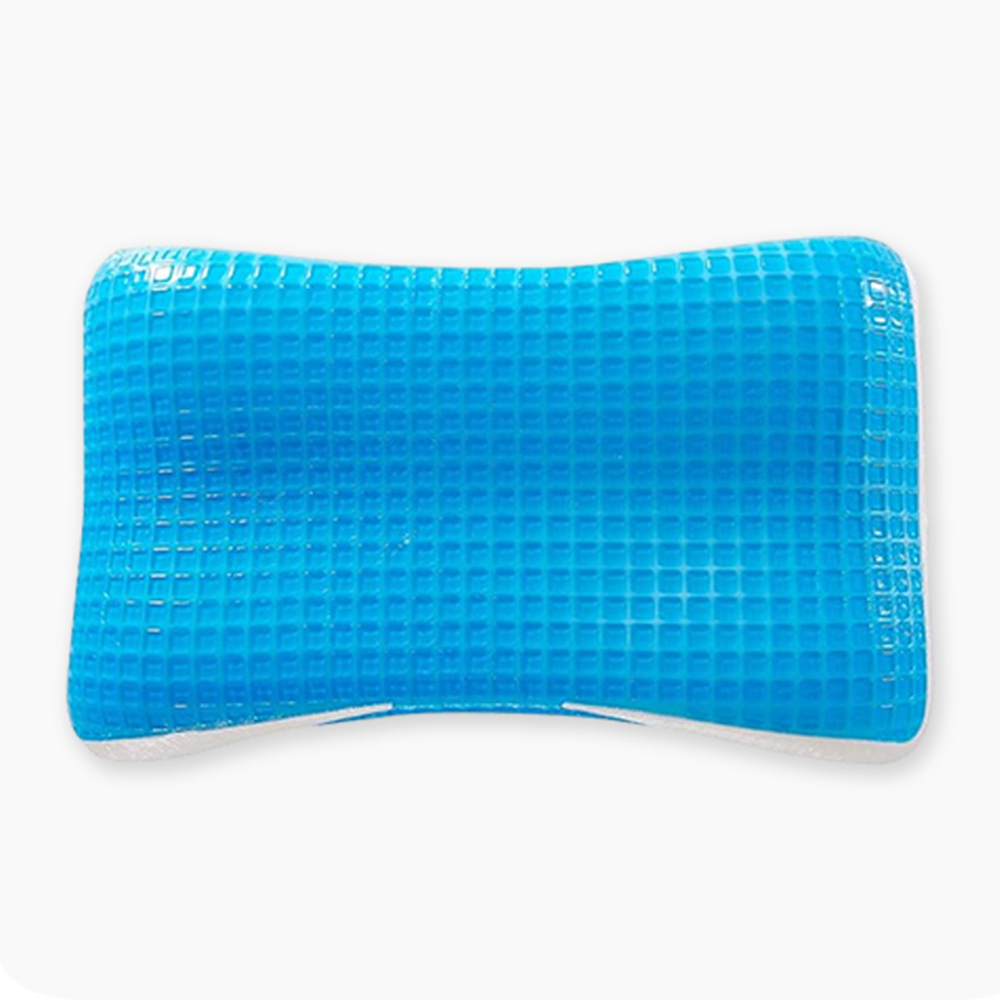
Sleepers who are heat-sensitive but still drawn to foam's contouring feel often find that a moderate option like an 8 inch memory foam mattress strikes a better balance than the deepest, most cushioned models on the market. Manufacturers increasingly incorporate gel infusions, copper particles, or open-cell structures into these mid-thickness designs specifically to counteract heat retention.
Does a Memory Foam Topper Make It Worse?
Adding a topper is a common way to soften an existing mattress, but it can intensify heat retention. A memory foam topper double size adds two to four additional inches of dense foam directly beneath the sleeper — increasing the insulating layer between the body and any coil or airflow system below. Even sleepers on an innerspring or hybrid base can end up experiencing more warmth than expected once a foam topper enters the equation.
For anyone layering a memory foam topper double onto an already warm all-foam mattress, the compounding effect is especially noticeable, since both layers trap heat independently. To offset this, many sleepers choose open-cell or gel-infused toppers, or opt for thinner two-inch profiles rather than the thicker four-inch versions — paired with breathable, moisture-wicking sheets.
Tip
Pairing any foam surface with moisture-wicking, bamboo-derived sheets can measurably reduce the sensation of overheating, even without changing the mattress itself.
Practical Ways to Reduce Heat Retention
If you already own a memory foam mattress or plan to purchase one, several practical adjustments can meaningfully reduce nighttime overheating without a full replacement.
- Choose a mattress with gel-infused or copper-infused foam layers designed to draw heat away from the body.
- Use moisture-wicking or bamboo-derived sheets instead of heavier cotton or polyester blends.
- Select a breathable, temperature-regulating mattress protector rather than a fully waterproof vinyl layer.
- Add a cooling mattress pad on top of the foam surface to create an extra layer of airflow.
- Keep the bedroom between 60 and 67 degrees Fahrenheit — the range most sleep researchers recommend.
- Use a fan or air-circulating device near the bed to help disperse trapped heat overnight.
Note
These adjustments will not eliminate memory foam's natural heat-retentive properties entirely — but they can significantly reduce discomfort, especially in warmer climates.
Who Should Be Most Concerned
Not every sleeper experiences memory foam's heat-trapping tendencies the same way. Certain groups tend to notice it more than others.
- Hot sleepers who already tend to overheat on any mattress type are likely to notice a more pronounced effect on memory foam.
- People in warm or humid climates without strong climate control may find memory foam uncomfortable during summer months.
- Individuals experiencing hormonal changes, such as menopause, often report increased sensitivity to heat retention in bedding.
- Couples sharing a bed generate more combined body heat, amplifying the warming effect compared to sleeping alone.
Better Fit
For sleepers in these groups, a hybrid mattress — or a foam model specifically engineered with cooling technology — is generally the more comfortable long-term choice.
The Final Read
Memory foam mattresses do retain more body heat than innerspring or hybrid alternatives, a direct consequence of the dense, contouring material that defines their feel. The effect grows more pronounced in thicker all-foam builds, and can be amplified further by a memory foam topper double layered on top. Yet moderate-depth choices like an 8 inch memory foam mattress, combined with cooling technologies and breathable bedding, can substantially ease the discomfort of heat buildup. For sleepers who prioritize temperature above all else, hybrid remains the safer route — but with the right adjustments, foam can still serve most households well.