English
 日本語
日本語 Español



Sleep Science · Spinal Alignment
Support, By Position
Why the same mattress can feel perfect for one sleeper and wrong for another — and how firmness, thickness, and body position spinal alignment.
The direct answer is that memory foam mattresses provide excellent support for side sleepers, but require careful firmness selection for back and stomach sleepers to avoid inadequate spinal alignment. Memory foam's contouring properties make it naturally suited to relieving pressure at the shoulders and hips — exactly where side sleepers need the most cushioning. But that same deep contouring can become a liability for back and stomach sleepers if the mattress is too soft, allowing the hips or midsection to sink lower than the shoulders and legs.
This means the right memory foam mattress for one sleeping position is not automatically right for another. Firmness level, foam thickness, and layer construction all determine whether a mattress properly supports the body's natural alignment. A 10 memory foam mattress with a supportive base layer behaves very differently from a thinner all-foam model, and that difference becomes especially visible depending on how a person positions their body through the night.
Why Side Sleepers Benefit Most from Memory Foam
Side sleeping creates concentrated pressure at the shoulder and hip, since these areas bear the majority of body weight in this position. Memory foam is uniquely equipped for this challenge because of its slow-response, body-conforming structure.
Pressure Relief at the Shoulders and Hips
Pressure mapping studies show memory foam can reduce peak pressure at the shoulder and hip by up to 30 percent compared to a traditional innerspring surface. The foam gradually molds around the body's curves instead of pushing back immediately, distributing weight across a larger surface area rather than concentrating it at a few contact points.
memory foam mattress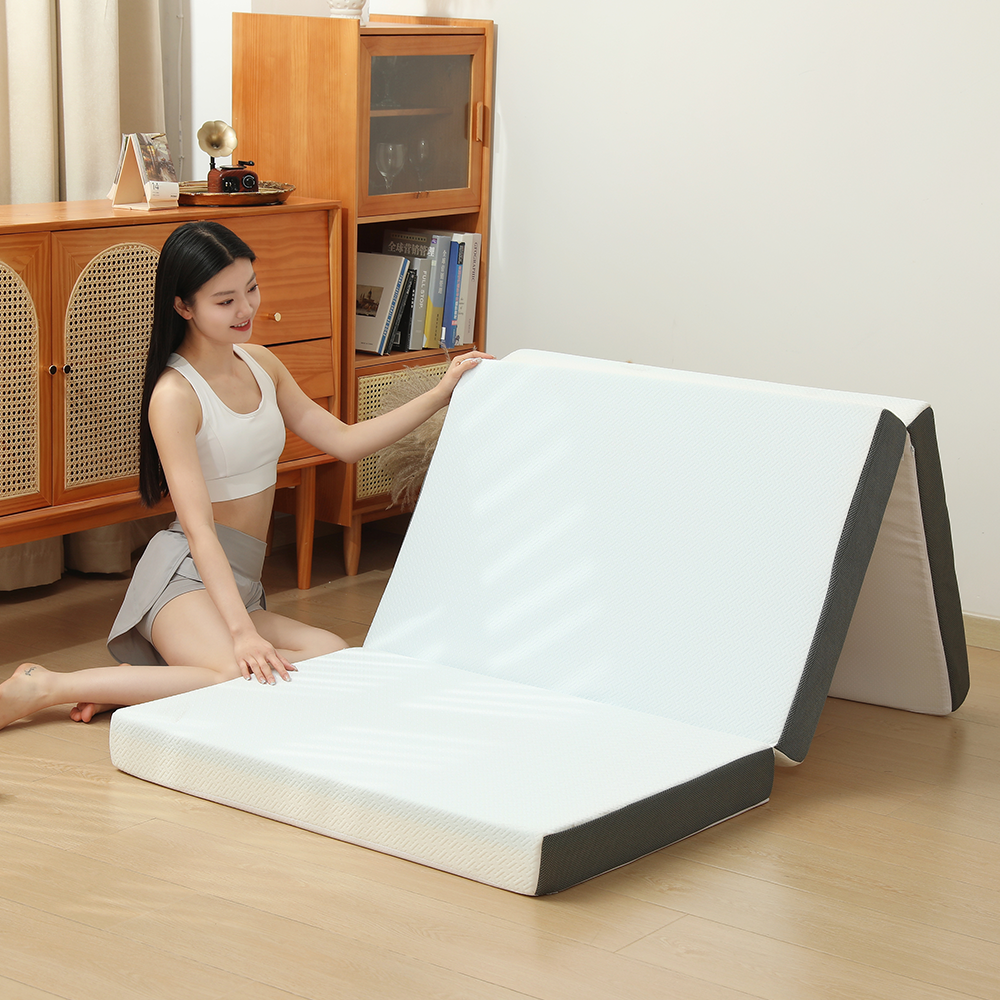
Spinal Alignment for Side Sleepers
For side sleepers, proper alignment means keeping the spine in a straight horizontal line from neck to tailbone. A plush memory foam mattress is often recommended here, since its softer comfort layer lets the shoulder and hip sink in enough to keep the spine level — rather than forcing the body into an elevated position that strains the lower back and neck.
The mattress that cradles a shoulder perfectly can just as easily let a stomach sink too far. Support is never universal — it is positional.
Why Back Sleepers Need a More Balanced Firmness
Back sleepers require a different kind of support than side sleepers. Rather than deep contouring at isolated points, they need consistent support along the entire spine — particularly through the lumbar region.
A mattress that's too soft can let the hips sink deeper than the shoulders, creating a slight sagging curve in the lower back that leads to morning stiffness. A medium-firm memory foam mattress, generally between 5 and 7 on the standard 10-point scale, tends to offer the best balance — enough give to cushion the spine's natural curve, enough resistance to keep the hips from sinking too far.
A 10 memory foam mattress with a firmer, high-density base beneath a moderate comfort layer is often well suited to back sleepers, since the added base support prevents excessive sinkage while the top layer still relieves pressure along the shoulder blades and lower back.
Why Stomach Sleepers Face the Greatest Challenge
Stomach sleeping is the most difficult scenario for memory foam support. Here, the abdomen and hips are the heaviest points of contact, and if the surface is too soft, they sink well below the chest and legs — creating an exaggerated arch in the lower back.
This misalignment is one of the leading causes of lower back pain among stomach sleepers on overly plush mattresses. Sleep specialists generally recommend a firmer option, typically in the 7 to 8 range, rather than a plush memory foam mattress built primarily for pressure relief. A firmer surface keeps the midsection from sinking too deeply and helps maintain a more neutral spinal position through the night.
Firmness Recommendations by Sleeping Position
The table below outlines general firmness guidance for each position, based on common recommendations from sleep researchers and mattress industry testing standards.
| Sleeping Position | Recommended Firmness | Primary Concern | Ideal Foam Type |
|---|---|---|---|
| Side Sleeper | 4 – 6 | Shoulder & hip pressure relief | Plush memory foam |
| Back Sleeper | 5 – 7 | Lumbar support & alignment | Medium-firm layered foam |
| Stomach Sleeper | 7 – 8 | Preventing midsection sinkage | Firm, high-density foam |
Tip
If you're unsure of your firmness needs, test a mattress lying in your actual sleep position for at least ten minutes — standing or sitting tests give misleading impressions of support.
How Mattress Thickness Shapes Support Quality
Thickness materially affects how well a memory foam mattress supports different positions. Thinner mattresses, particularly under 8 inches, often lack a substantial base layer — comfortable at first, but prone to sagging or bottoming out over time, especially for heavier individuals or combination sleepers who shift positions frequently.
A 10 memory foam mattress typically includes a thicker high-density base, often 6 to 7 inches, topped with 3 to 4 inches of comfort foam. This layered construction resists excessive sinkage while still delivering adequate contouring. For back and stomach sleepers especially, this base support helps maintain a more neutral spine compared to thinner all-foam alternatives.
Side sleepers, by contrast, may not need as much base thickness, since their primary need is a soft, responsive comfort layer rather than firm underlying support. A plush memory foam mattress with a shallower, well-cushioned top layer can often meet a side sleeper's needs without the same depth of base foam required elsewhere.
Support Considerations for Combination Sleepers
Many people shift between positions throughout the night, and combination sleepers face a unique challenge — a surface tuned for side sleeping may not offer enough support once they roll onto their stomach, and vice versa.
- A medium-firm mattress in the 6 to 7 range often works best for combination sleepers, offering a reasonable compromise between contouring and support.
- Zoned support systems, using firmer foam near the hips and softer foam near the shoulders, help accommodate multiple positions on a single mattress.
- A responsive comfort layer that doesn't trap the body too deeply makes it easier to change positions without feeling stuck.
- Avoiding an overly plush memory foam mattress helps prevent excessive sinkage when a combination sleeper ends up on their stomach.
Consideration
Body weight interacts with position: heavier sleepers over roughly 230 pounds typically need firmer support or a thicker high-density base regardless of position, to avoid premature sagging.
Signs Your Mattress Isn't Supporting Your Position Well
Recognizing warning signs can help sleepers determine whether their current mattress matches their needs.
- Waking with lower back pain — particularly common among stomach sleepers on overly soft mattresses.
- Numbness or tingling in the arms or shoulders, often reported by side sleepers whose mattress is too firm to allow contouring.
- Noticeable sagging or a visible body impression after just a few months of use.
- Feeling the hips sink significantly deeper than the shoulders when lying on the back.
- Frequent tossing and turning as the body searches for a comfortable position.
Bottom Line
If several of these signs appear, your mattress's firmness or thickness likely doesn't match your primary sleep position — and a change in firmness level, not necessarily brand, is usually the fix.
The Final Read
Memory foam mattresses can support every sleeping position well, but the right choice depends heavily on firmness level, layer construction, and total thickness. Side sleepers generally benefit most from a plush memory foam mattress that allows deep contouring at the shoulders and hips, while back sleepers do best with a medium-firm option balancing cushioning with lumbar support. Stomach sleepers require the firmest surfaces to prevent midsection sinkage and lower back strain. A well-constructed 10 memory foam mattress with a supportive base layer can accommodate a wide range of body types and sleep styles — but matching firmness and construction to your primary position remains the single most important factor in long-term comfort.