

 English
 日本語
日本語 Español

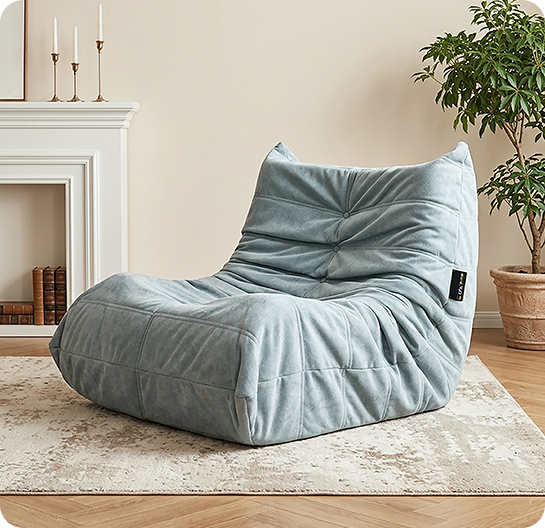
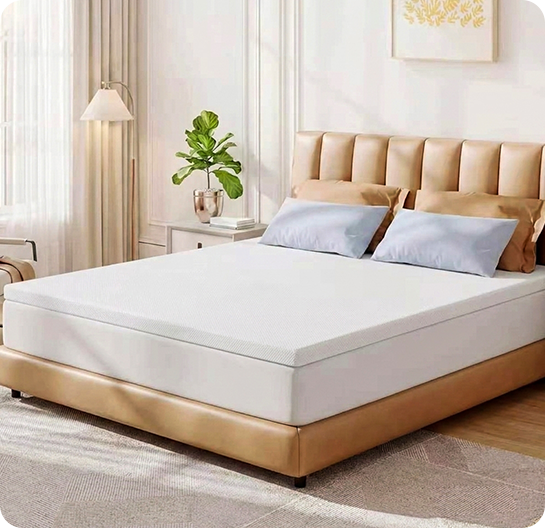
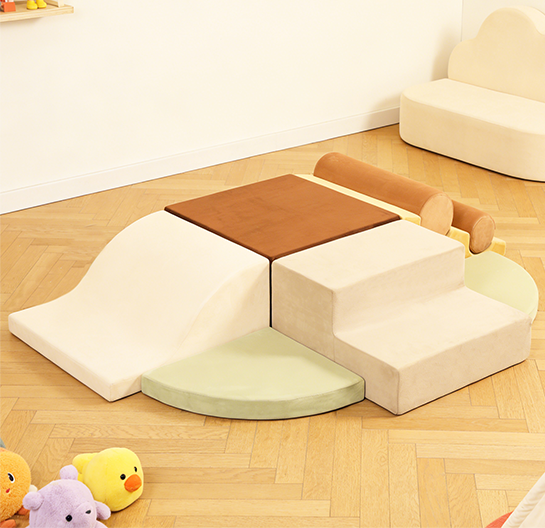
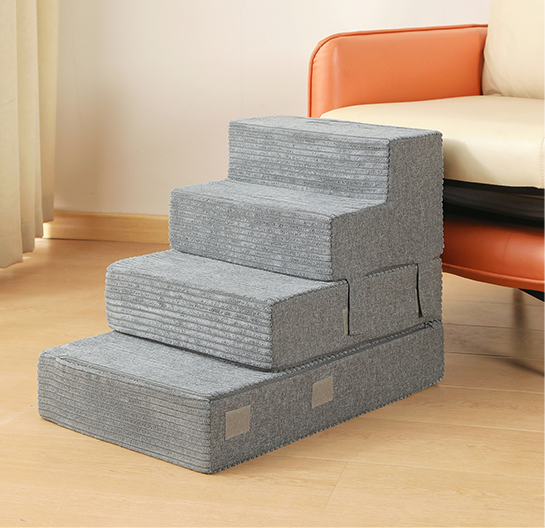
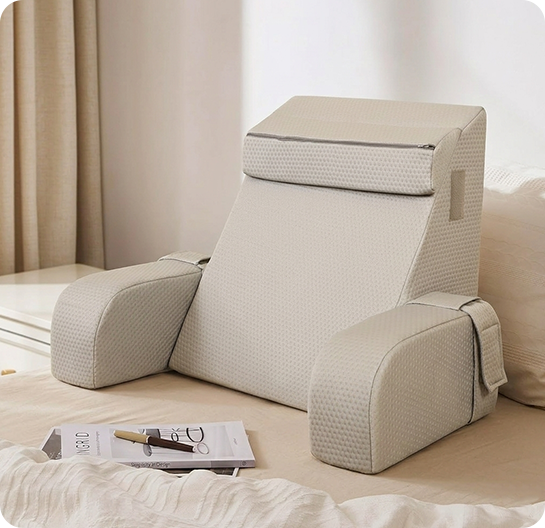
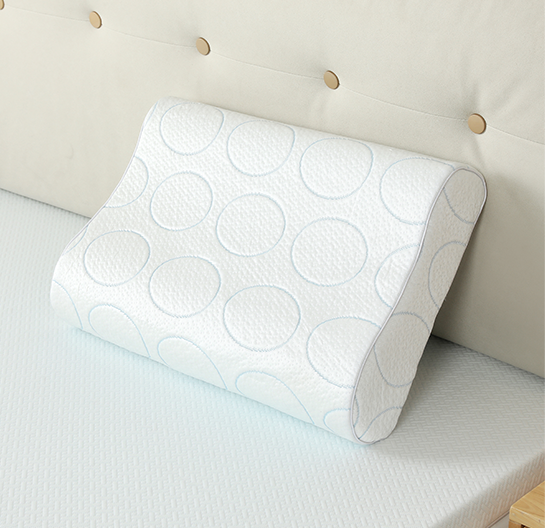
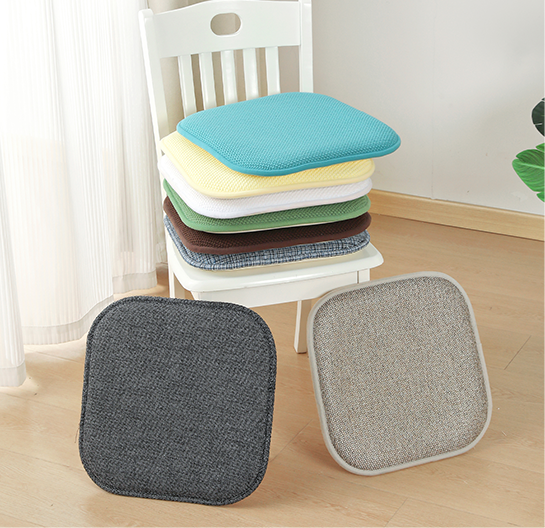
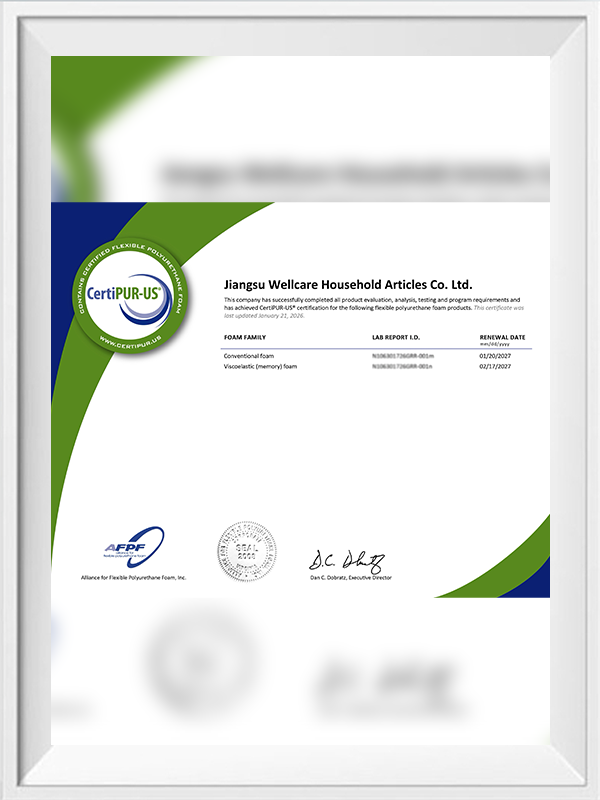
The Memory Foam Mattress originates from NASA aerospace technology, a popular home furnishing for pressure relief, spine support, and ultimate comfort. Products made from memory foam material typically feature temperature-sensitive, slow rebound, with soft, skin-friendly, and elastic textures that create a cloud-like wrapping feeling by precisely conforming to body contours, evenly distributing pressure points, and relieving back pain effectively. The Memory Foam Mattress is universally equipped with exceptional motion isolation to reduce sleep disturbances, and most adopt CertiPUR-US certified breathable materials that keep you cool and non-stuffy. Suitable for apartments, dorms, and master bedrooms, the Memory Foam Mattress offers personalized, comfortable support for light sleepers and office workers - a mainstream mattress balancing health and comfort.
-
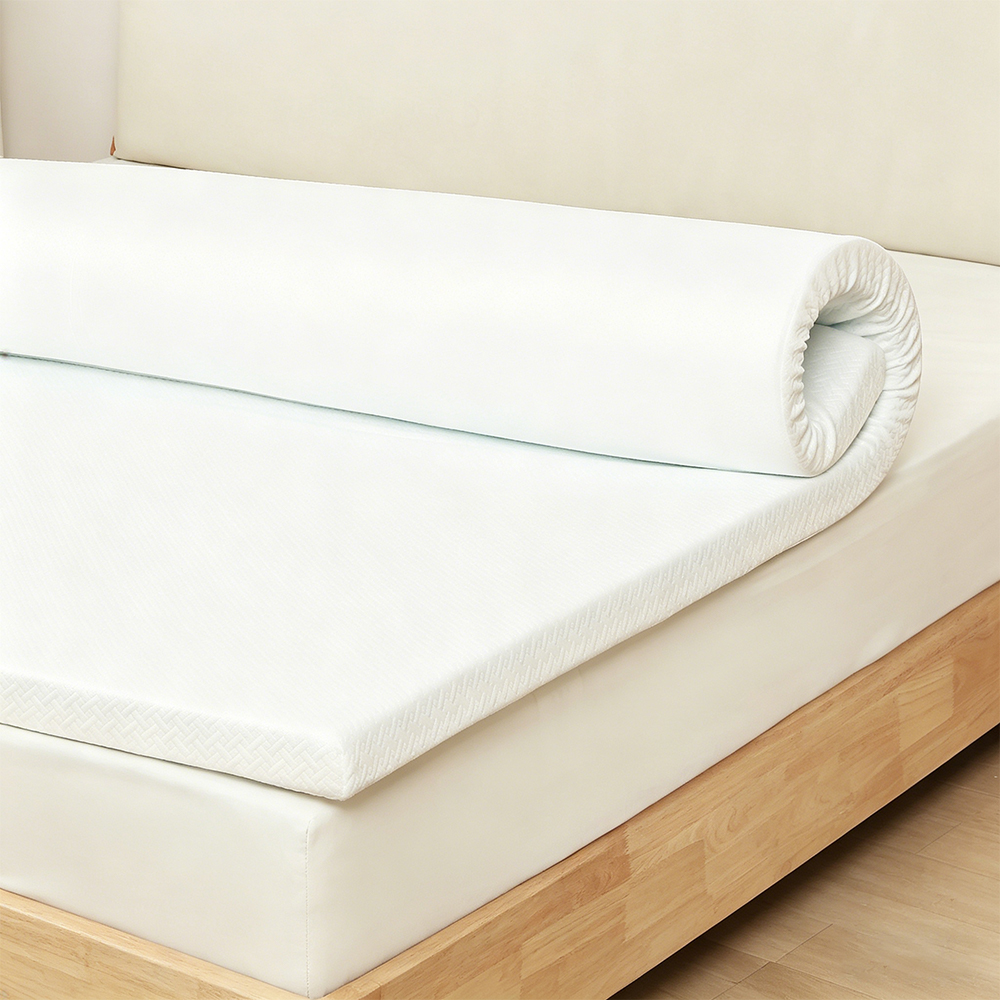 Gel memory foam tatami
A smooth, comfortable mattress for a restful sleep. This mattress features a high-density memory foam base inf...
-
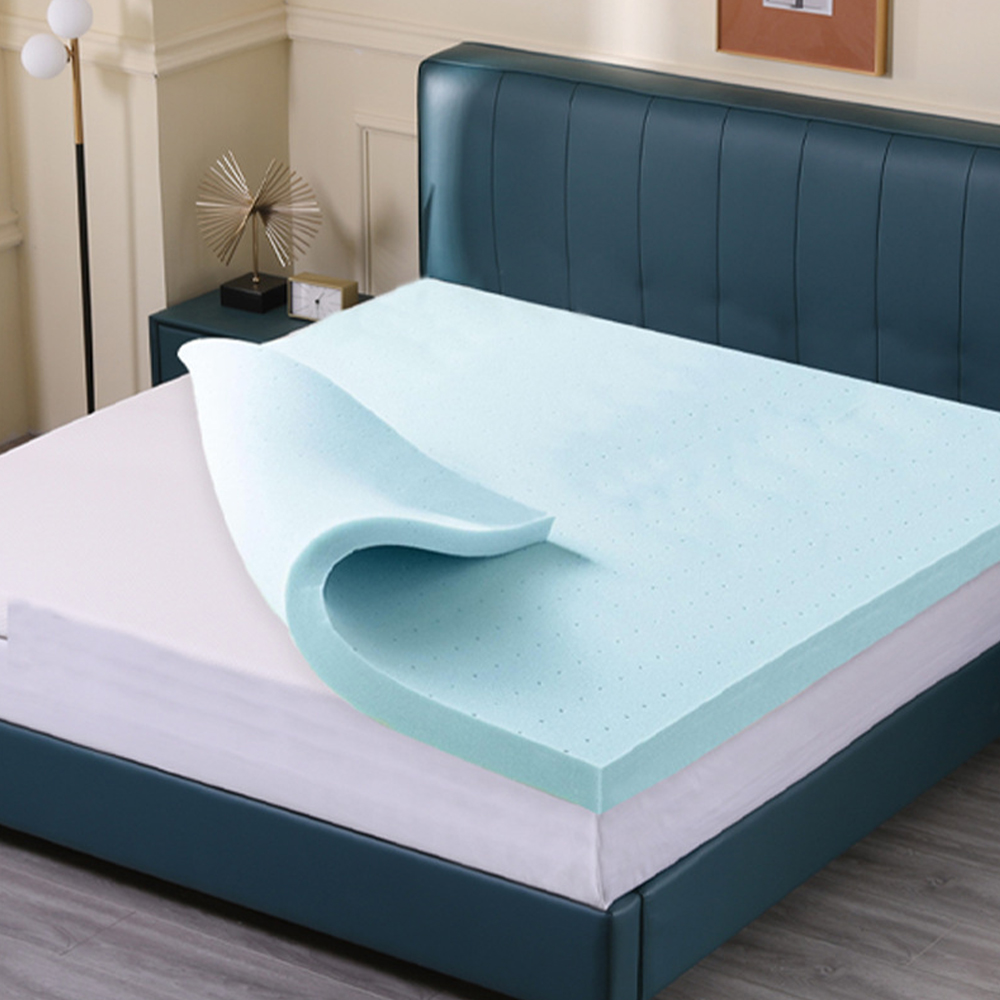 Perforated Gel Memory Foam Mattress
Soft and supportive, for a cool and restful sleep. This mattress features a high-density memory foam base infu...
-
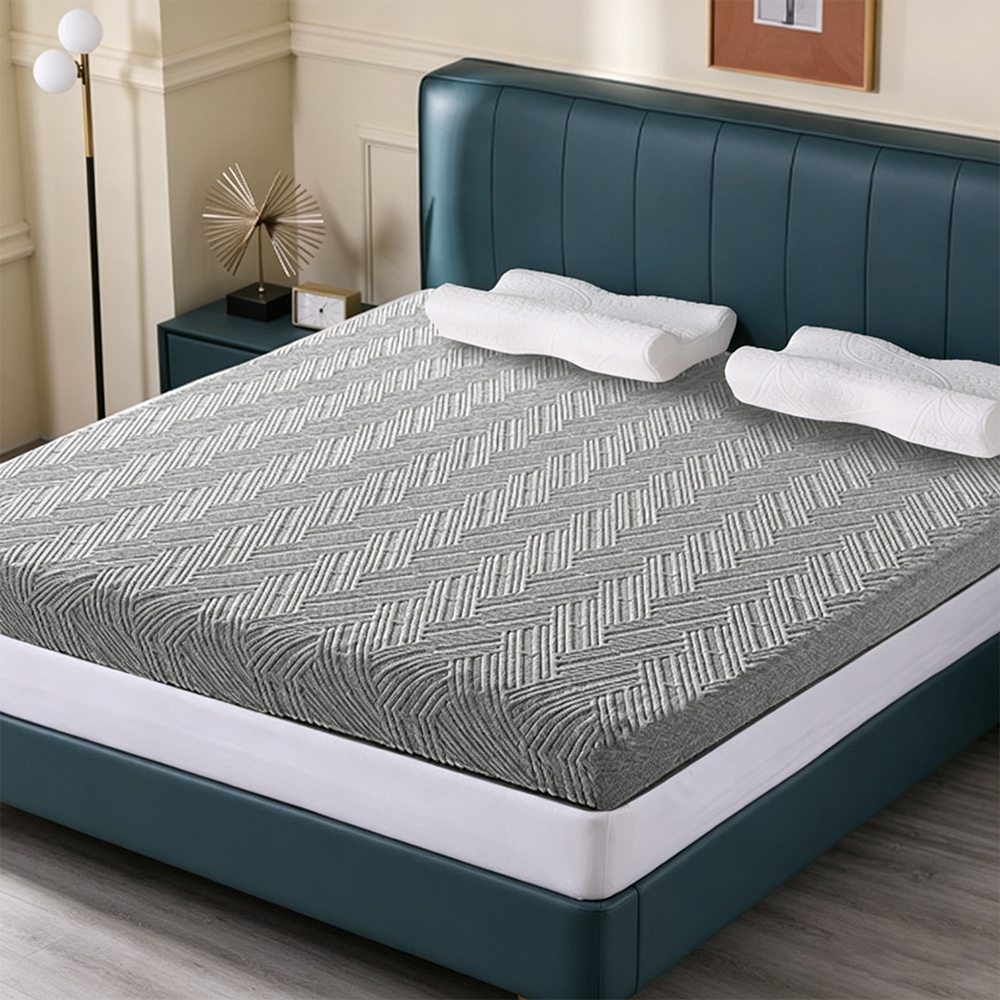 Gel memory foam mattress
Soft, comfortable, and easy to care for. This mattress features a high-density memory foam base infused with g...
-
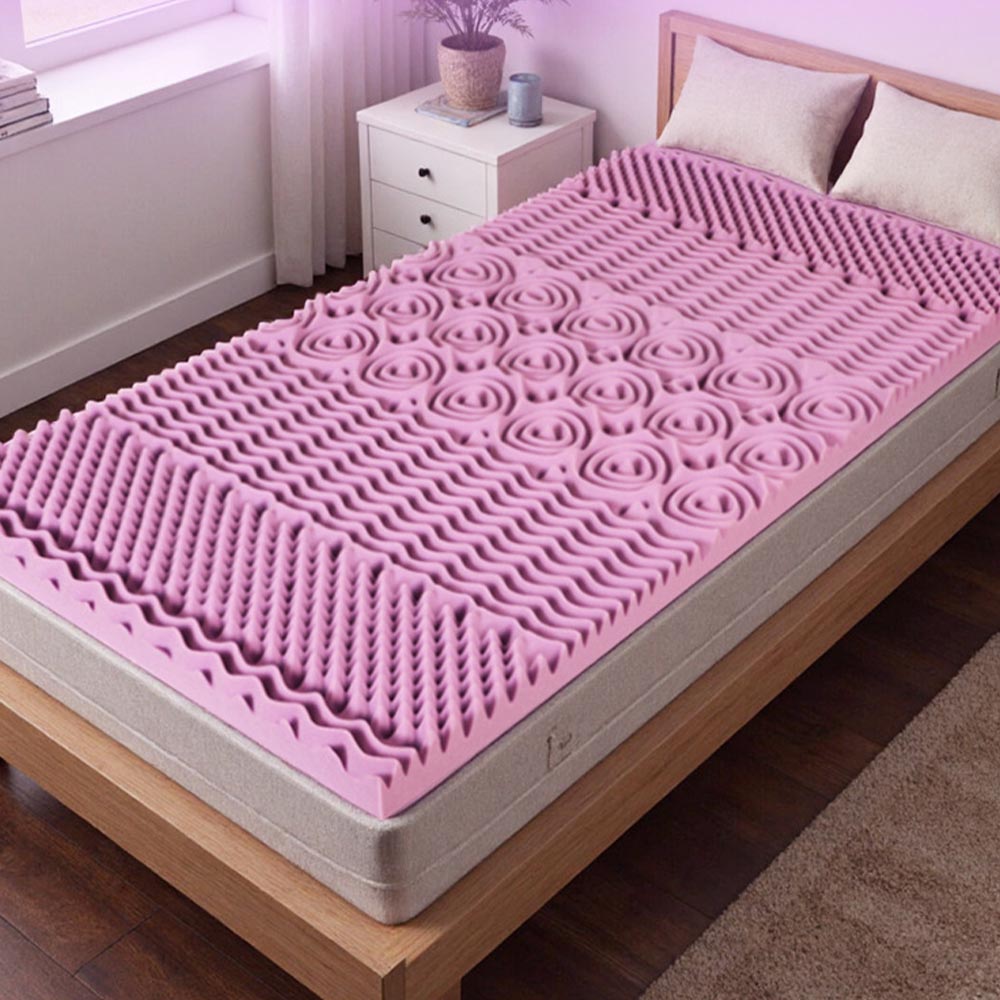 Zoned memory foam mattress
Zoned support for a more scientifically designed fit. This mattress uses high-density memory foam and features...
About Wellcare
Jiangsu Wellcare Household Articles Co., LTD.
As a famous China Folding Memory Foam Mattress Manufacturers and Natural Memory Foam Mattress Suppliers, WELLCARE was founded in 2003 and has long been dedicated to the R&D and manufacturing of high-performance sleep materials and healthy home products. Centered on material innovation, the company keeps exploring foam solutions that are more comfortable, safer and more reliable to serve the global sleep market.
Led by a doctor-led R&D team, the company develops more than one hundred new foam materials every year. The product portfolio covers ordinary sponge, memory foam, gel foam, temperature-insensitive memory foam, quick-dry memory foam, flame-retardant sponge, antibacterial sponge and other categories, with continuous optimization of formulas and structural performance.
Led by a doctor-led R&D team, the company develops more than one hundred new foam materials every year. The product portfolio covers ordinary sponge, memory foam, gel foam, temperature-insensitive memory foam, quick-dry memory foam, flame-retardant sponge, antibacterial sponge and other categories, with continuous optimization of formulas and structural performance.
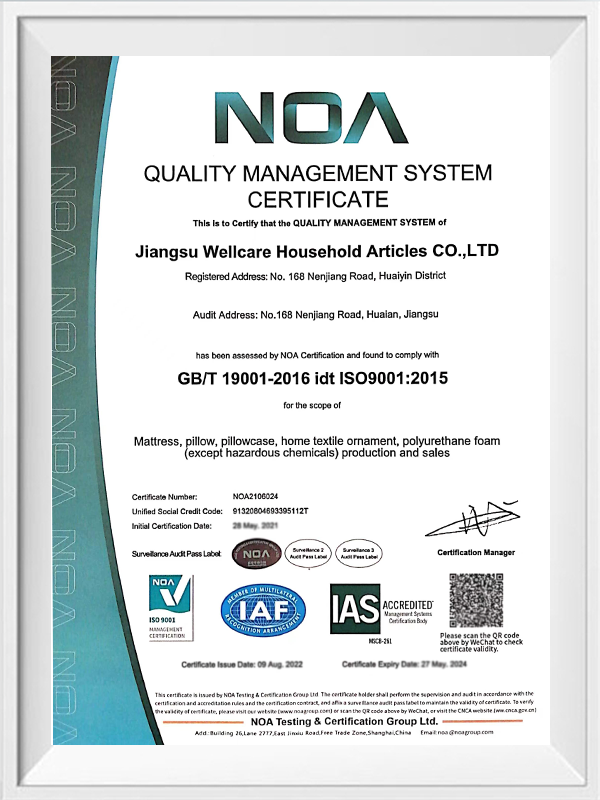
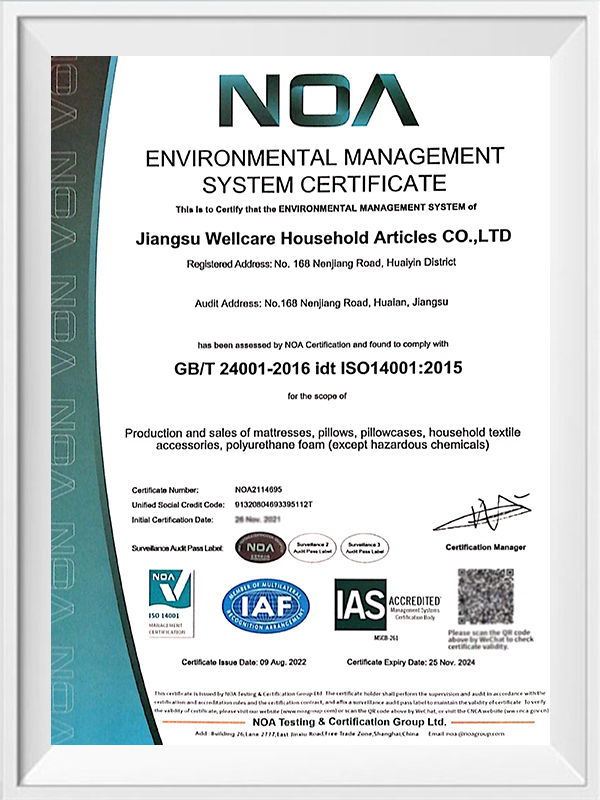
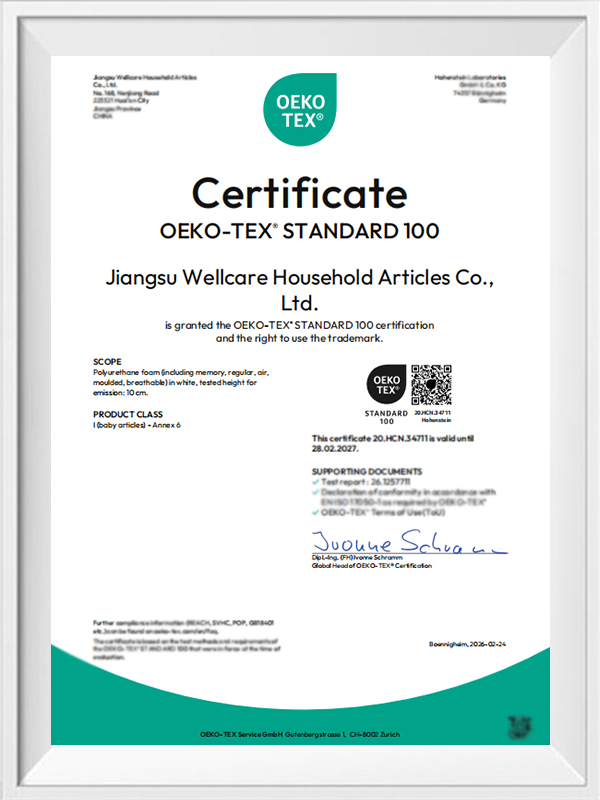
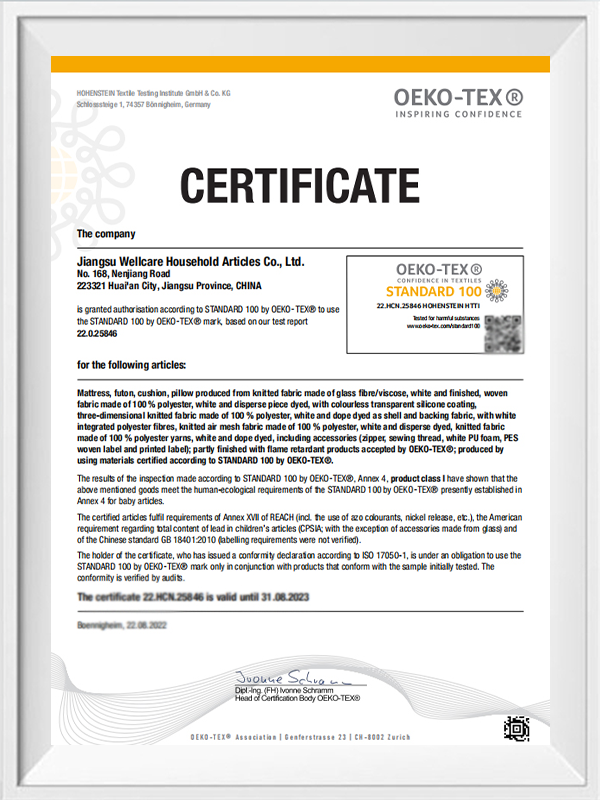
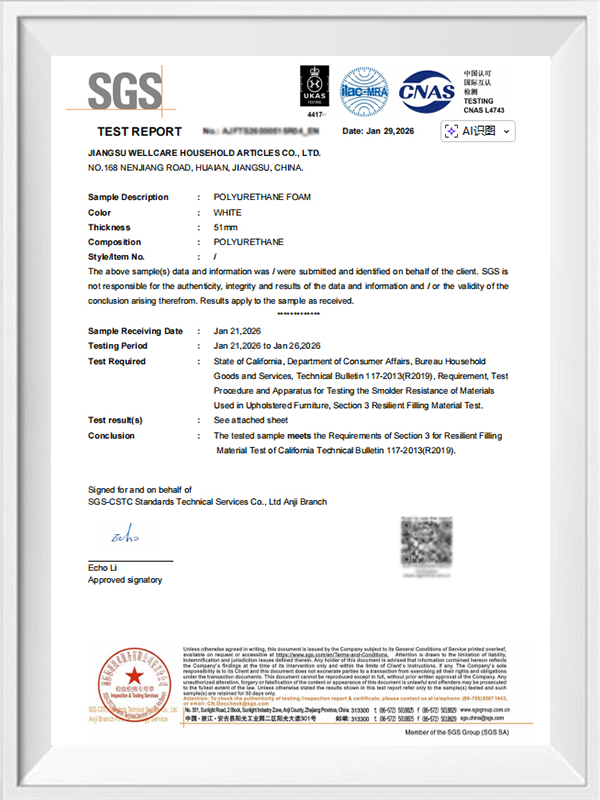
Certificate Of Honor
Message Feedback
Memory Foam mattress Industry knowledge
Jiangsu Wellcare Household Articles Co., Ltd. is a Memory Foam mattress manufacturer with in-house foam formulation, continuous production lines and a doctor-led R&D team. Our mattress range covers Tri-Fold Memory Foam Mat, Memory Foam Topper, Memory Foam Regular Mattress, Gel-Infused Foam Mattress and Memory Foam Zoned Support Mattress. We configure each product around the required density, layer structure, cover fabric and packaging for OEM, ODM and private-label programs.
Our factory integrates continuous foaming, mold forming, precision cutting and post-processing. This allows us to control raw material quality, foam cell structure and final dimensions in one production flow, supporting stable repeatability across container-level orders.
Product Range and Application Fit
Tri-Fold Memory Foam Mat
Folding design for guest rooms, compact living, camping and temporary sleep setups. High-density slow-rebound foam with optional gel infusion.
Memory Foam Topper
Adds pressure relief to existing mattresses. Available in plain memory foam, gel-infused and embossed surface options.
Memory Foam Regular Mattress
Full-size mattresses with adaptive support, motion isolation and breathable covers. Suitable for residential and hospitality use.
Gel-Infused Foam Mattress
Gel particles or gel foam layers improve thermal regulation and maintain consistent firmness across temperature changes.
Memory Foam Zoned Support Mattress
Multi-zone construction with different foam firmness levels to align the spine and reduce pressure on shoulders and hips.
Material and Construction Control
We develop more than one hundred new foam formulations each year, covering ordinary sponge, memory foam, gel foam, temperature-insensitive memory foam, quick-dry memory foam, flame-retardant sponge and antibacterial sponge. This material portfolio allows us to match the comfort layer, transition layer and support core to the intended application.
- Density range: Comfort layers typically 25–45 kg/m³; support cores 40–70 kg/m³, adjusted per product.
- Layer architecture: 3–7 layers with controlled ILD progression for gradual firmness transition.
- Cell structure: Open-cell formulations for airflow; closed-cell options for specific support requirements.
- Additives: Gel particles, phase-change materials, antibacterial agents and flame-retardant additives available.
Configuration Options for OEM/ODM Projects
| Parameter | Options | Notes |
|---|---|---|
| Foam type | Memory foam, gel foam, temperature-insensitive, quick-dry, flame-retardant, antibacterial | Selected based on target market and certification requirements |
| Layer structure | Single layer, 2-layer, 3-layer, multi-zone | Custom ILD and density per layer |
| Cover fabric | Knitted, woven, removable, zippered, quilted | OEKO-TEX or custom fabric available |
| Size range | Twin to King, custom dimensions | Tri-fold sizes per regional standards |
| Packaging | Roll-packed, flat-packed, folded | Compression ratio and carton design per logistics |
Quality Assurance and Acceptance
Every production batch is checked for density, hardness, recovery time and dimensional tolerance. We perform compression set testing, fatigue simulation and cover seam strength checks before release. For export programs, we can provide third-party inspection coordination and pre-shipment samples for approval.
- Incoming raw material inspection for polyol, isocyanate and additives
- In-process control at foaming, cutting and lamination stations
- Final inspection with AQL sampling per agreed standard
- Documentation: batch records, test reports, packing list
Information We Use to Configure Your Solution
To prepare an accurate proposal, we need the following project details:
- Target market and required certifications (e.g., CertiPUR-US, OEKO-TEX, REACH)
- Product type, dimensions and thickness
- Desired firmness level or density specification
- Cover fabric and color preferences
- Packaging and shipping requirements
- Estimated order quantity and delivery schedule
Frequently Asked Questions
Can you produce custom sizes and firmness levels?
Yes. We adjust foam density, layer composition and cutting dimensions to match your specification. Custom molds are available for special shapes.
What certifications can you support?
We can formulate and document for common market requirements including CertiPUR-US, OEKO-TEX and REACH. Specific compliance is confirmed per project.
Do you offer private label and OEM packaging?
Yes, we provide OEM/ODM services with custom covers, labels, cartons and roll-pack compression to your branding guidelines.
What is the typical lead time for a container order?
Standard production lead time is approximately 20–30 days after sample approval and deposit, depending on order quantity and customization level.
Can you provide samples before mass production?
We provide regular samples within 3–7 days. Customized samples may take longer based on structure and density requirements.
WELLCARE was founded in 2003, boasting over a decade of profound and extensive experience.
Quick Links
Product
Media Centre
Contact Information
- [email protected]
- +86-517-84998062
- +86-15152354988
- No. 168 Nenjiang Road, Huaiyin District, Huai'an City, Jiangsu Province, China
Copyright © Jiangsu Wellcare Household Articles Co., LTD. All Rights Reserved.
OEM/ODM Foldable Sponge Mattress Manufacturers
